


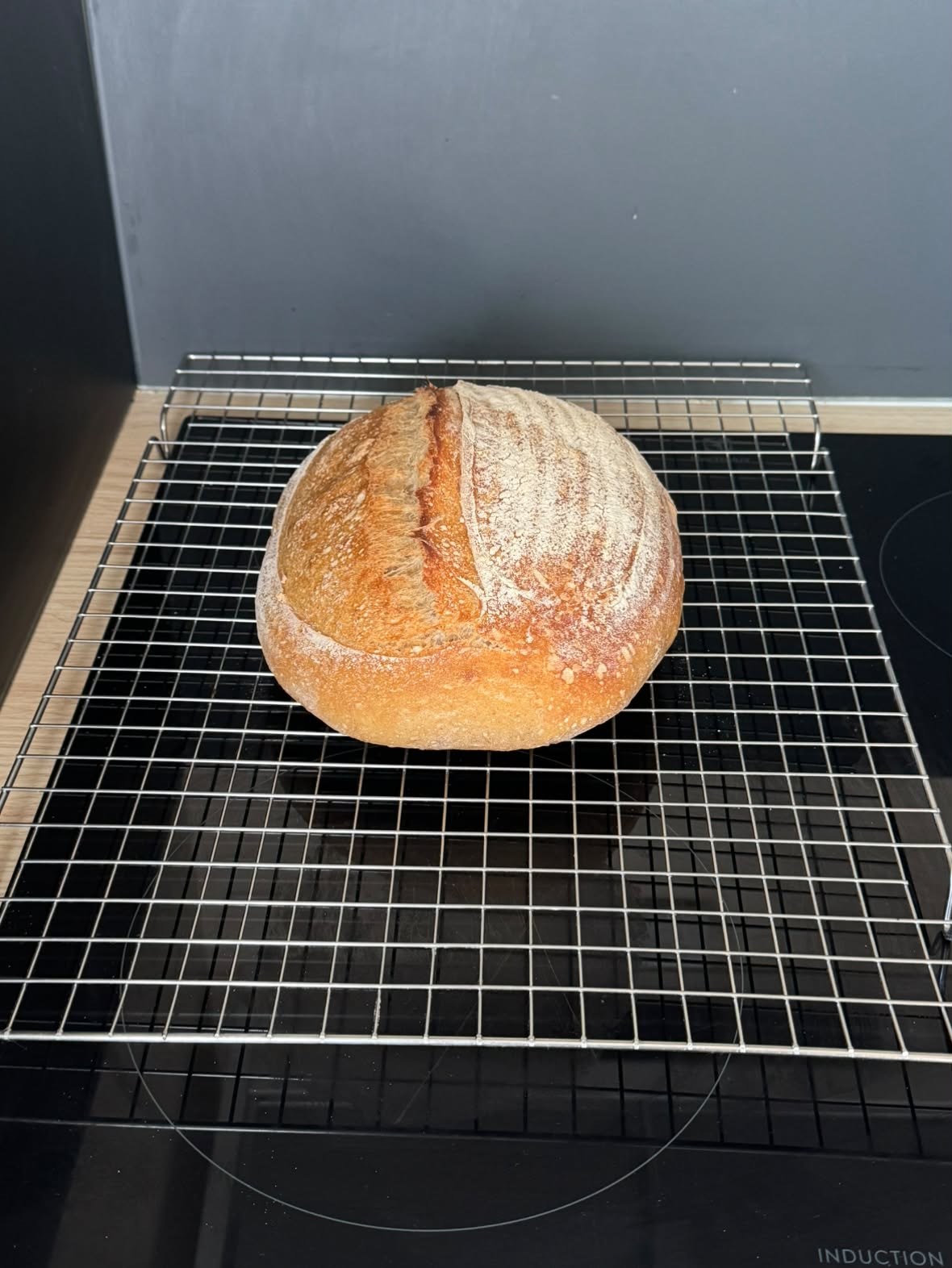
A sourdough starter begins with flour and water. Tiny yeasts and bacteria live in the mixture. They are too small to see, but their activity produces visible changes. Bubbles appear, and the smell becomes slightly sour. The starter is a living culture, a mixture containing these organisms.
Yeasts produce gas that helps dough rise. Bacteria produce acids that affect its flavour. Together, they change the bread's taste and texture. This process is called fermentation. Different cultures, flours and temperatures can produce different results.
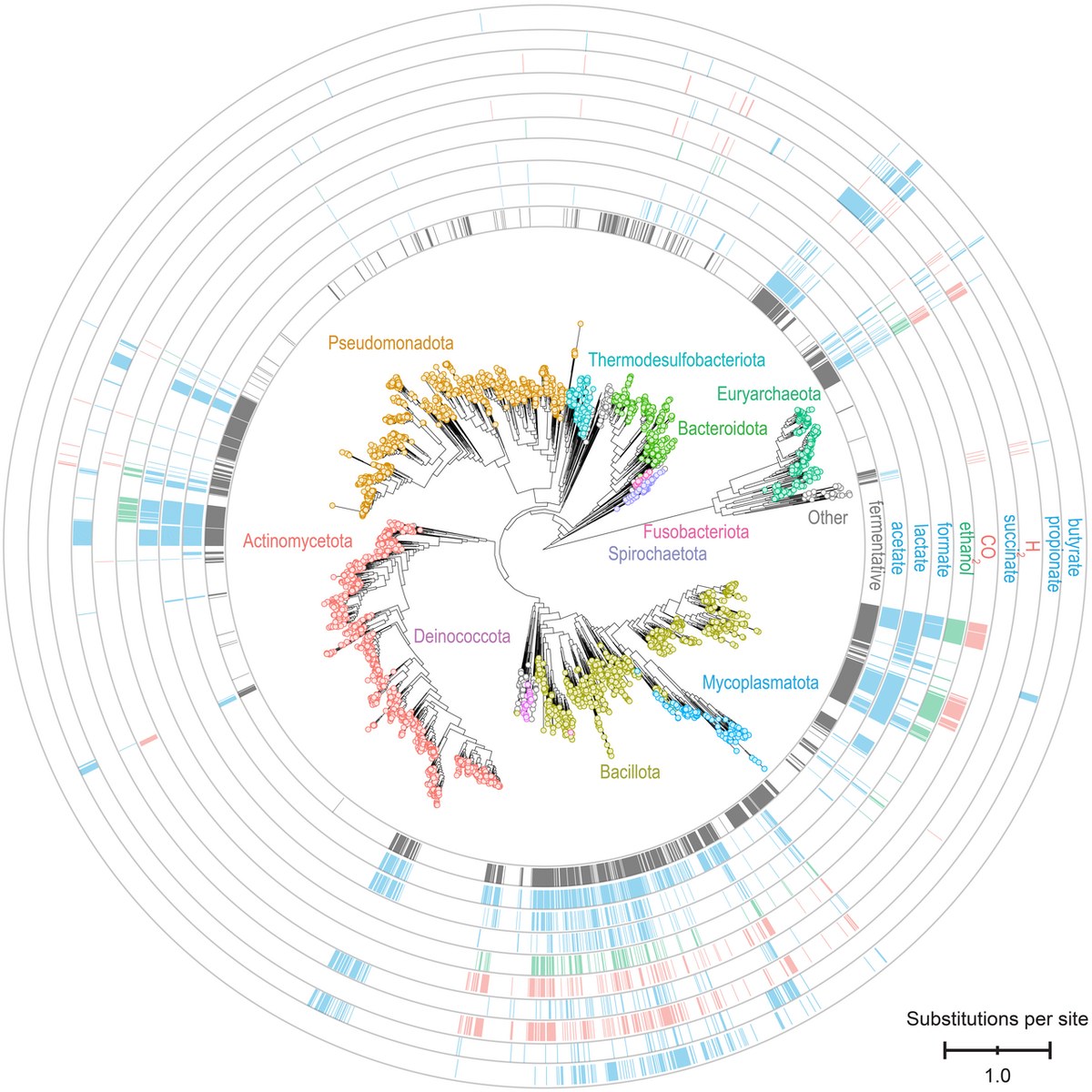
The baker maintains the culture by regularly adding fresh flour and water. This is called feeding the starter. Cold slows its activity. The time needed changes with the temperature, flour and culture, so there is no single waiting time for every starter.
Part of the starter goes into a new bread dough. During fermentation, gas helps the dough grow. Baking then changes the crust and the inside of the loaf. Some loaves have large holes, while others have smaller ones. Sourdough made with wheat still contains gluten, a substance in wheat.
A living culture needs care and clean equipment. Raw flour and starter are not ready to eat, so bakers do not taste them before baking. If mould appears, the whole starter must be discarded. Acidity does not automatically make every mixture safe.























































