


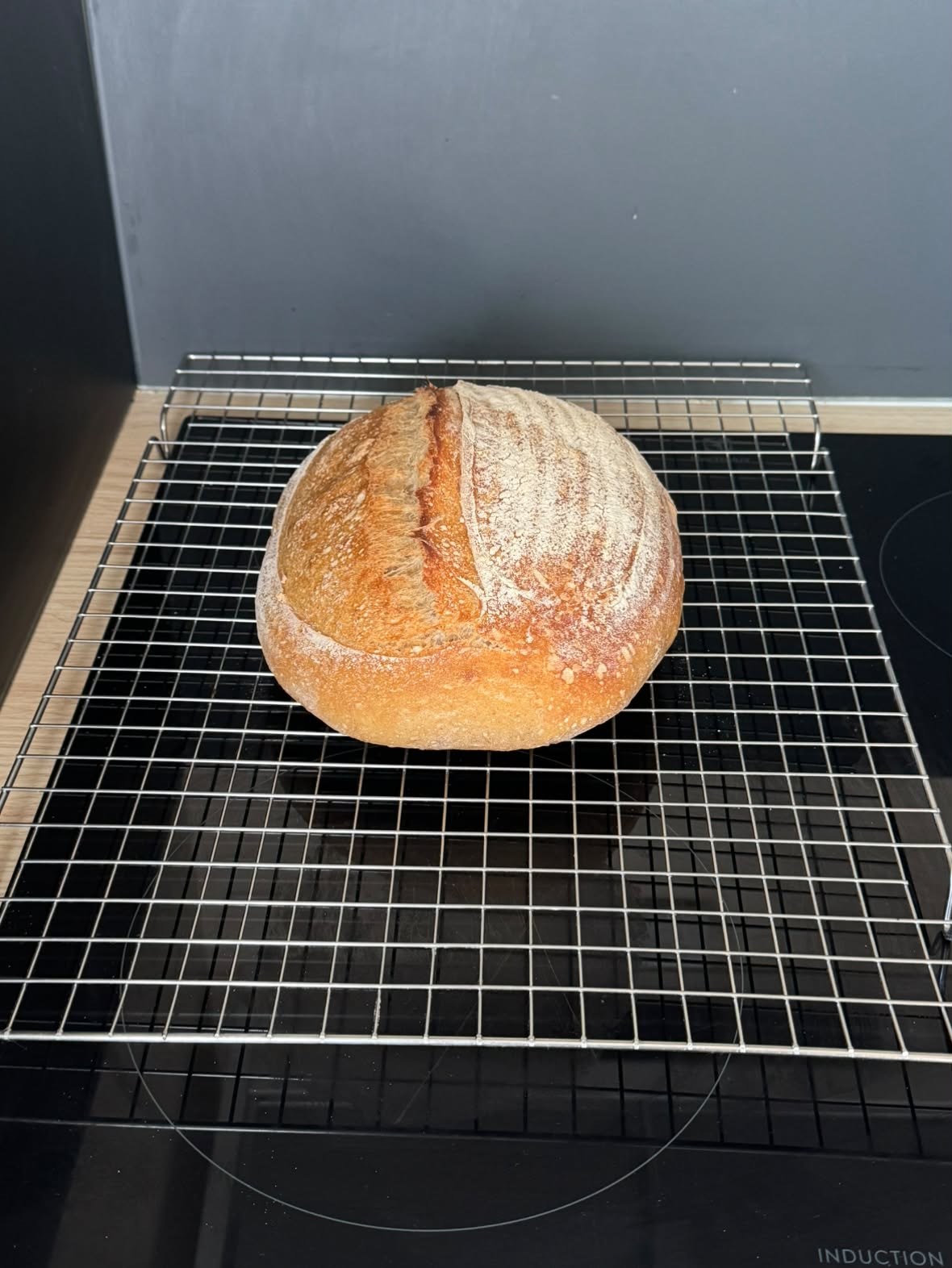
Sourdough fermentation represents the pinnacle of culinary ecology. Rather than relying on isolated monoculture yeasts, artisan bread harnesses a wild, self-regulating ecosystem where indigenous yeasts and heterofermentative lactic acid bacteria cohabit in stable equilibrium.
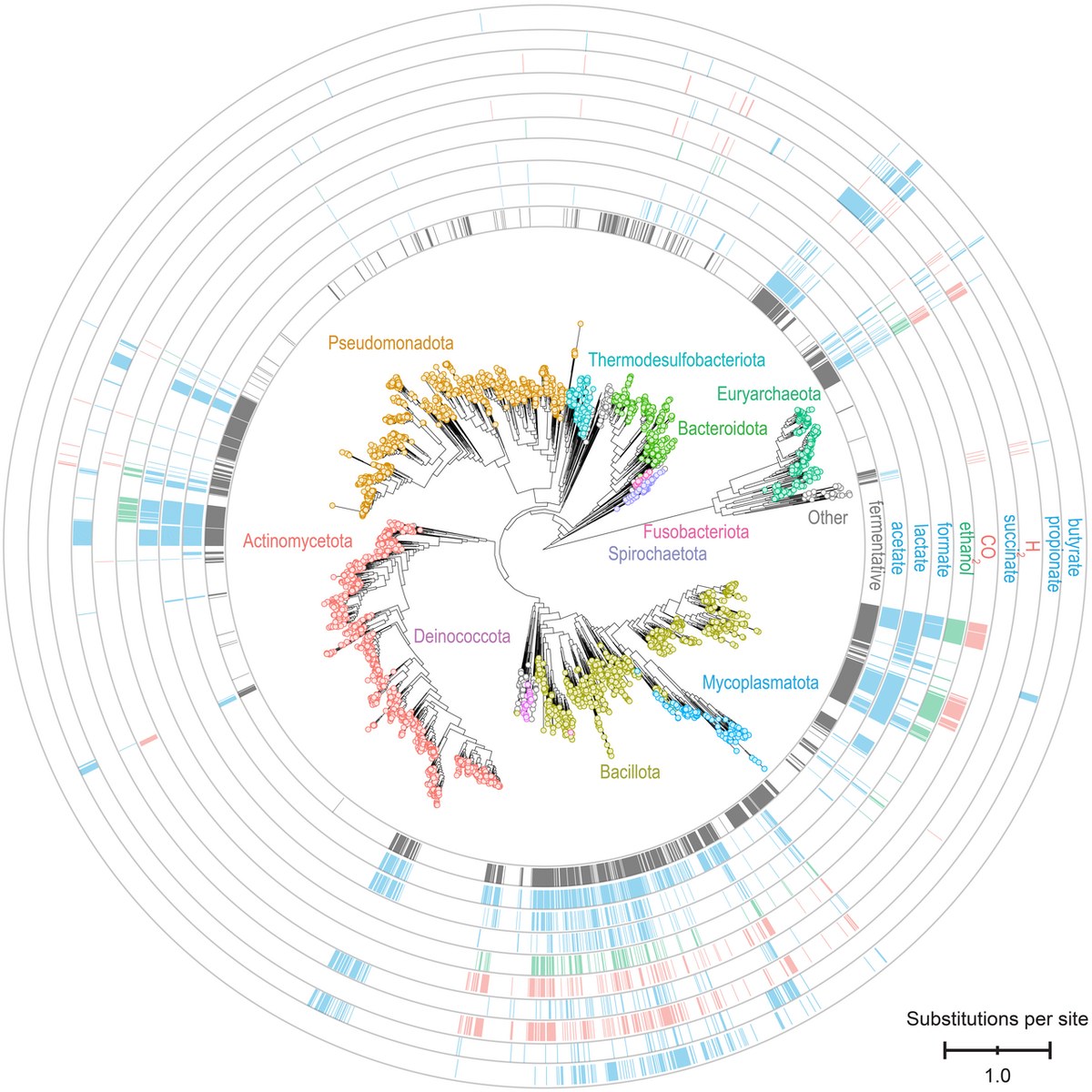
As the microbes metabolize grain starches, they release organic acids—chiefly creamy lactic acid and sharp acetic acid. This biological acidification drops the dough's pH to around 4.0, which naturally suppresses pathogen spoilage while awakening endogenous phytase enzymes. These enzymes dismantle phytic acid, dramatically unlocking minerals like zinc, calcium, and iron for human absorption.
Over a long, cool fermentation window of twelve to twenty-four hours, the dough undergoes slow proteolysis. Gluten strands lengthen and relax into resilient, elastic webs capable of retaining expanded gas. In the searing heat of the oven, this produces the celebrated open crumb: translucent, gelatinized pocket walls surrounding pockets of trapped air.
Crucially, the organic acids inhibit starch retrogradation, ensuring an authentic sourdough loaf remains tender and fragrant for an entire week without artificial additives. The flavor profile evolves over days, mellowing into nutty, malty complexities with a bright, appetizing tang.
Maintaining a starter requires an intimate communion with sensory cues. Bakers read the subtle dome of the rising sponge, the sweet-sour perfume of ripe fermentation, and the buoyant elasticity of a culture primed to lift grain into art.























































