


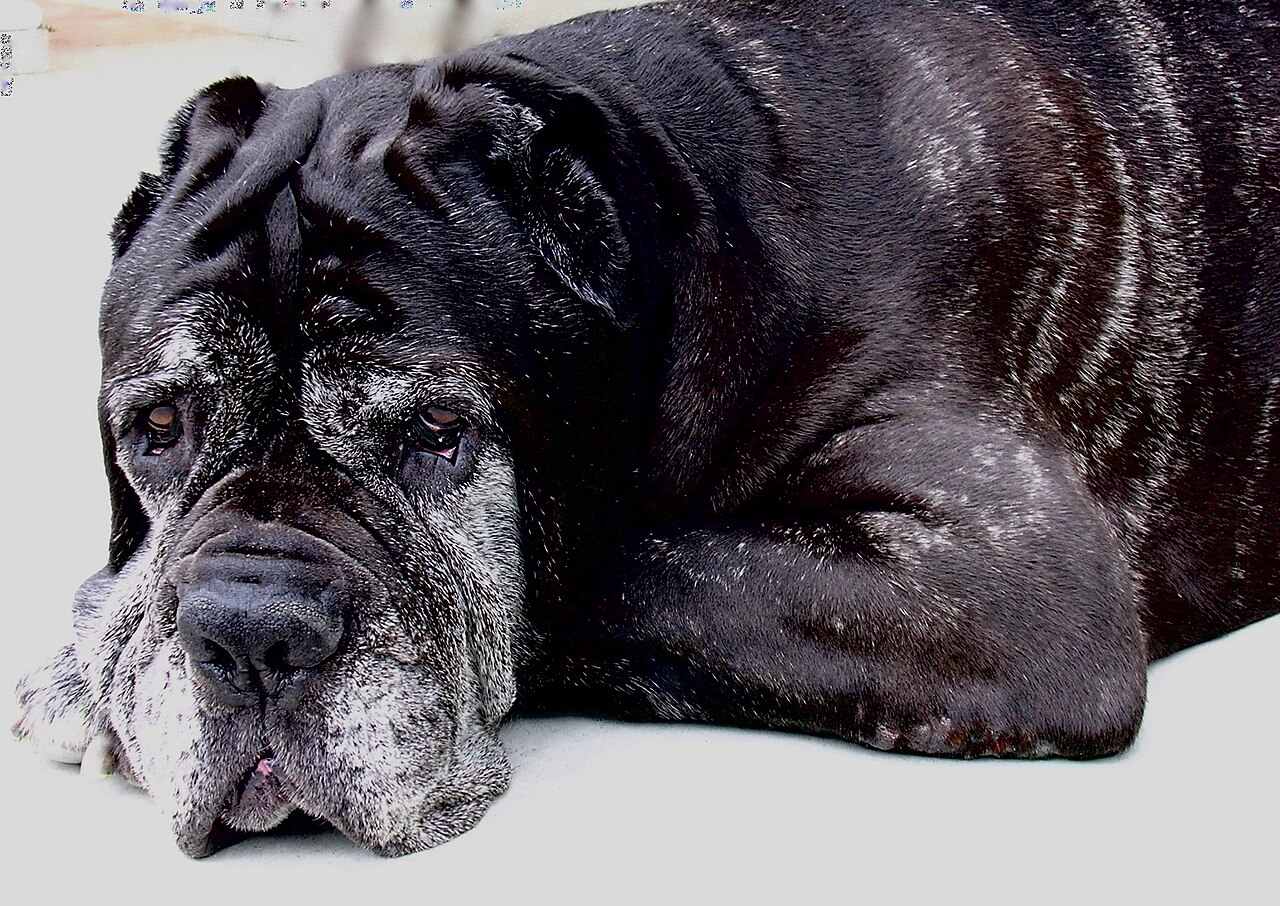
In the gentle illumination of early morning, a warm beam of sunlight slants across the wooden floor, illuminating an aged companion resting peacefully upon an orthopedic cushion. A delicate dusting of silver fur frames the dog's muzzle and temples, bearing quiet testimony to a decade of shared history and devoted partnership. When footsteps echo down the corridor, the animal does not launch into the frenzied greeting of its youth; instead, it raises its head deliberately, blinks with serene discernment, and lets its tail thud rhythmically against the floor. This muted, dignified encounter captures the poignant grace that characterizes the twilight phase of interspecies companionship.
Veterinary gerontology reveals that canine and feline senescence involves complex, multisystem physiological adaptations. Sarcopenia—the gradual loss of skeletal muscle mass—often accompanies progressive osteoarthritis, diminishing articular flexibility and causing pronounced stiffness after prolonged recumbency. Nuclear sclerosis subtly opacifies the ocular lenses, while presbycusis diminishes high-frequency acoustic acuity, requiring animals to rely more heavily on tactile reassurance, olfactory cues, and deliberate visual gestures. Furthermore, neuroendocrine declines may precipitate Canine Cognitive Dysfunction Syndrome, characterized by altered sleep-wake cycles, temporary spatial disorientation, and subtle shifts in domestic routines that demand empathetic patience from human guardians.
Proactive environmental modifications are pivotal in mitigating these age-related declines and sustaining long-term quality of life. The implementation of dense memory-foam bedding distributes body weight uniformly, alleviating pressure on prominent boney landmarks and preventing decubital ulcers. Non-slip runners strategically placed across polished tile or hardwood corridors prevent perilous biomechanical slips that can injure compromised joints and destabilize canine confidence. Custom access ramps eliminate the concussive stress associated with descending from furniture or automotive vehicles, while ergonomically elevated feeding stations minimize cervical spine flexion during daily feeding. Placing accessible water stations throughout the living space ensures proper hydration without requiring unnecessary exertion.
Comprehensive healthcare management becomes increasingly vital throughout an animal's geriatric life stage. Biannual veterinary consultations featuring thorough serological profiles, renal biomarker tracking, urinalysis, and systemic blood pressure monitoring facilitate early detection of chronic ailments such as nephropathy, endocrinopathies, and cardiovascular insufficiency. Multimodal analgesic strategies, encompassing non-steroidal anti-inflammatory agents, glycosaminoglycan supplementation, and targeted photobiomodulation therapy, effectively manage chronic articular pain while preserving hepatic and renal parameters. Consistent oral hygiene and professional periodontal care prevent chronic bacteremia that could otherwise compromise systemic organ function.
Equally paramount is the thoughtful calibration of daily cognitive and physical activity to match declining reserves. While vigorous aerobic conditioning yields to gentle, odor-rich perambulations, mental enrichment remains imperative for preserving neurological plasticity. Interactive scent games, low-impact strolls across textured turf, and patient communicative exchanges stimulate cerebral pathways without inducing metabolic exhaustion. Modulating caloric density while supplementing antioxidant-rich omega-3 fatty acids fortifies cellular membranes against oxidative degradation. Maintaining established routines provides a comforting psychological anchor against sensory deterioration.
As senior pets progress toward the furthest horizons of life, animal hospice principles and palliative protocols increasingly guide domestic care. Caregivers learn to evaluate daily comfort through validated quality-of-life scales that track appetite, hygiene, mobility, and emotional engagement. The objective transitions from curing acute ailments to preserving dignity, managing discomfort, and providing uninterrupted serenity. Palliative massages, gentle thermal wraps on cold afternoons, and quiet presence become the primary language of support.
Ultimately, navigating the golden years of a devoted animal transcends technical management; it constitutes a profound exercise in moral stewardship and mutual devotion. An elderly pet ceases to demand performance, dynamic play, or exuberant athleticism, offering instead an unadorned presence steeped in contemplative tranquility. By anticipating their subtle vulnerabilities, honoring their diminished stamina, and surrounding their sunset chapter with unconditional tenderness, human caregivers reciprocate a lifetime of unwavering loyalty. In these quiet, slow-moving hours, the profound depth of the interspecies bond reaches its most exquisite and enduring manifestation.























































