


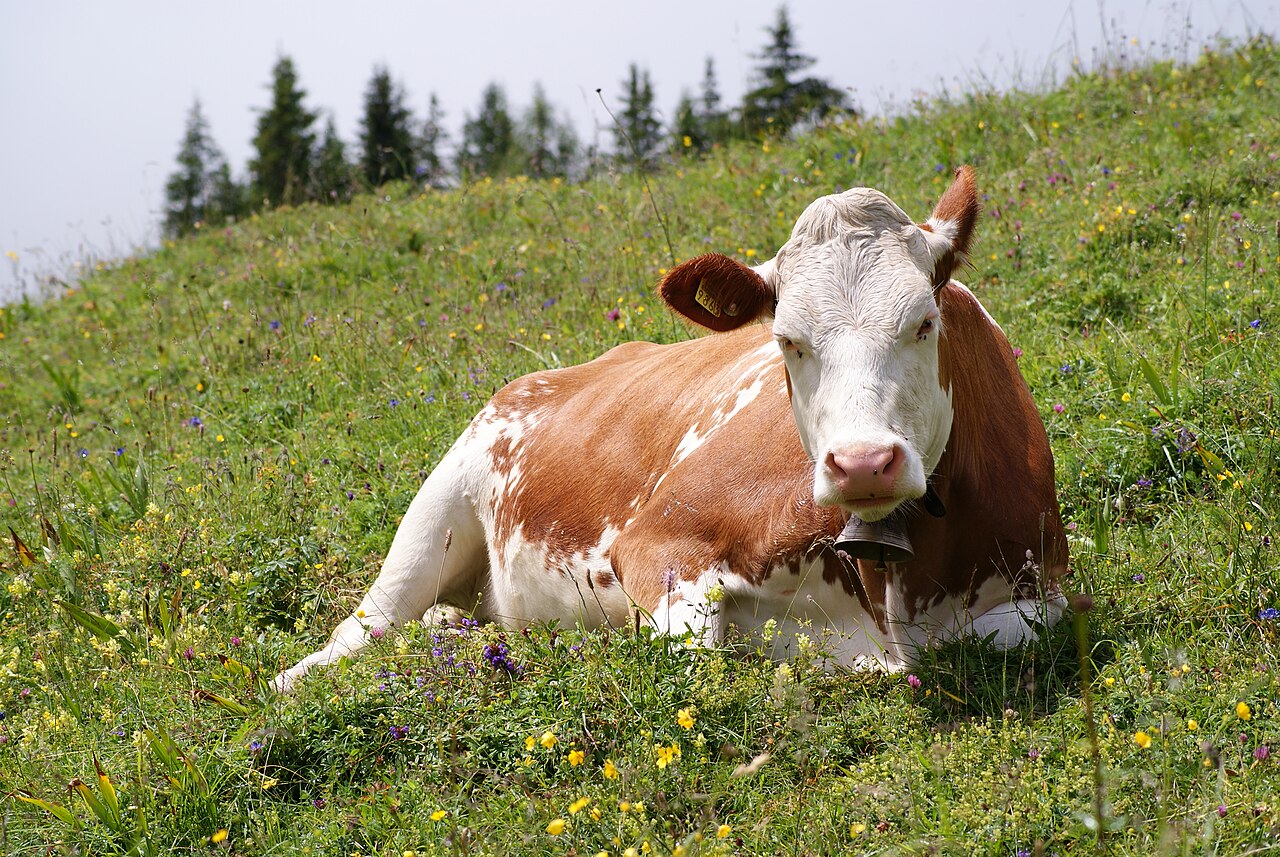
Grazing across rolling pastoral landscapes shrouded in morning mist, the domestic dairy cow (Bos taurus) represents the biological and economic foundation of agrarian civilization. Derived from the extinct wild aurochs (Bos primigenius) domesticated approximately ten thousand years ago in the Fertile Crescent, bovine symbiosis transformed nomadic hunter-gatherers into settled agricultural societies. Through centuries of selective breeding, specialized dairy breeds such as the black-and-white Holstein-Friesian, the rich-cream Jersey, and the hardy Brown Swiss were developed to convert coarse, cellulose-heavy biomass into nutrient-dense dairy products. Their quiet demeanor belies an intricate biological system designed for sustained, highly efficient nourishment.
At the center of bovine physiology lies an extraordinary four-chambered digestive architecture consisting of the rumen, reticulum, omasum, and abomasum. As specialized polygastric herbivores, cows do not directly digest plant cellulose through mammalian enzymes; instead, they cultivate an extensive symbiotic ecosystem of anaerobic bacteria, protozoa, and fungi within the massive rumen fermentation vat. After rapid initial ingestion, fibrous forage is regurgitated as a cud bolus during restful rumination, re-chewed to reduce particle size, and bathed in alkaline bicarbonate saliva. Microbial fermentation breaks down recalcitrant lignocellulose into volatile fatty acids—primarily acetate, propionate, and butyrate—which pass across ruminal papillae into the bloodstream, supplying over seventy percent of the animal's systemic energy. This complex fermentation process transforms plant structural carbohydrates into volatile fatty acids with astonishing biological efficiency, providing the primary metabolic fuel for growth, maintenance, and sustained lactation.
Lactation biology requires immense metabolic coordination and rigorous nutritional balance. Bovine mammary glands contain thousands of microscopic secretory alveoli lined with specialized epithelial cells that synthesize lactose, casein proteins, and butterfat globules from circulating blood metabolites. Milking schedules—typically conducted twice or thrice daily in modern parlors or automated robotic milking stations—trigger neuroendocrine reflex arcs releasing oxytocin from the posterior pituitary gland, inducing myoepithelial contraction and smooth milk ejection. Ensuring pristine hygiene and monitoring somatic cell counts prevent mastitis, while balanced rations of silage, legumes, and trace minerals sustain lactation without inducing metabolic ketosis or ruminal acidosis. Regular hoof trimming protocols further maintain biomechanical soundness, preventing lameness and ensuring sustained mobility across the herd.
Ethological research has revealed that dairy cattle possess rich social lives governed by subtle, stable herd hierarchies. Far from being passive herd members, cows form enduring bilateral friendships, exhibit distinct individual personalities, and communicate through complex acoustic vocalizations varying in pitch and emotional inflection. Social grooming, or allogrooming, where individuals lick each other’s heads and withers, actively lowers cardiac frequency, alleviates social tension, and cements herd cohesion. Prolonged separation from familiar conspecifics or exposure to erratic handling induces measurable cortisol elevation, demonstrating their acute emotional sensitivity to social disruption and environmental novelty.
Contemporary dairy husbandry increasingly emphasizes high-welfare environmental design and regenerative pasture management. Modern free-stall barns incorporate ergonomic rubber flooring, deep sand or clean straw bedding, automated mechanical grooming brushes, and continuous ventilation systems to mitigate heat stress. Rotational mob-grazing systems move herds systematically across pasture paddocks, optimizing forage intake, distributing organic manure evenly, and stimulating soil microbiological vitality through hoof action and root aeration. Such holistic management harmonizes high milk yields with animal longevity and environmental conservation, establishing a resilient agroecological model for future generations.
Ultimately, stewardship of the dairy cow embodies an enduring, reciprocal partnership between human society and ruminant biology. Providing dignified husbandry, consistent veterinary supervision, and comfortable living quarters honors an animal that has sustained human nourishment across millenia. The rhythmic cadence of cud-chewing in a warm evening barn stands as a timeless testament to pastoral peace, agricultural heritage, and the profound interconnectedness of soil, beast, and humanity. By safeguarding their health and living environment, human caretakers sustain an ancient agricultural legacy rooted in compassion and mutual survival.























































