


Within the contemporary architecture of modern healthcare delivery, the consulting room of the family physician—or general practitioner—represents the premier clinical sanctuary where biomedical science intersects with the longitudinal narrative of the human experience. While modern tertiary medicine increasingly fragments clinical expertise into narrow subspecialties focusing upon isolated anatomical organs or biochemical pathways, primary care demands an expansive, panoramic mastery of human physiology and pathology across every developmental phase. From neonatal developmental assessments and adolescent somatic transformations to the complex, multi-system management of nonagenarians, the family physician functions as the quintessential clinical generalist, interpreting ambiguous clinical presentations with intellectual rigor and compassionate discernment.
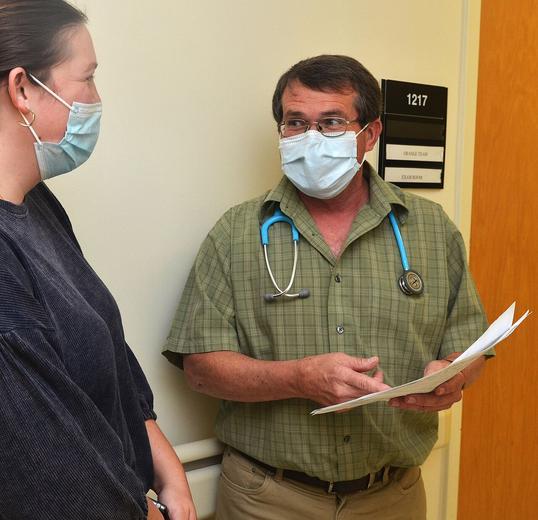
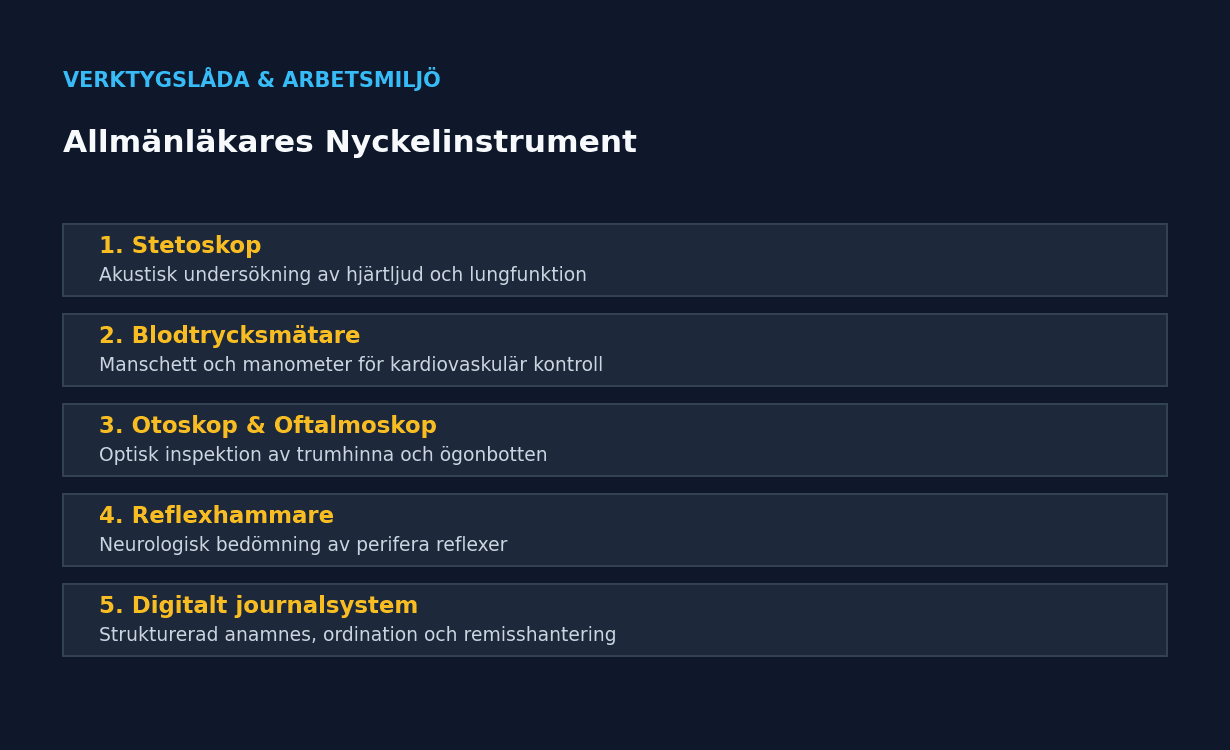
The diagnostic process commences the instant a patient crosses the clinical threshold, long before physical instruments are deployed. Through disciplined clinical observation, the practitioner conducts an immediate visual triage, evaluating subtle indicators including gait mechanics, facial symmetry, respiratory rate, peripheral perfusion, and involuntary postural adjustments indicative of somatic discomfort. The subsequent physical examination proceeds according to rigorous semiological methodology. Utilizing an acoustic stethoscope, the physician auscultates cardiac valve closures for pathological murmurs and systematically assesses the pulmonary fields for inspiratory crackles or expiratory wheezing. Palpation of the abdomen evaluates hepatic and splenic contours, while testing peripheral deep tendon reflexes with a neurological hammer verifies nervous system function. Sphygmomanometry measures brachial arterial pressures, while fundoscopic inspection of the ocular retina provides an invaluable non-invasive window into microvascular integrity.
Central to the diagnostic efficacy of primary care is the clinical interview, framed within the holistic paradigms of the biopsychosocial model. Rather than viewing the presenting complaint merely as an isolated biochemical malfunction, the physician conducts a comprehensive medical anamnesis that explores genetic predispositions, occupational exposures, domestic stressors, and psychosocial determinants of health. Active, empathetic listening frequently uncovers covert clinical etiologies, recognizing that somatic complaints such as persistent cephalalgia or gastric distress frequently mirror profound emotional distress or socioeconomic strain. By synthesizing these diverse strands of subjective narrative with objective physical findings, the physician constructs an accurate differential diagnosis while establishing profound therapeutic trust.
The management of complex chronic diseases and multimorbidity forms the intellectual backbone of daily ambulatory practice. In an aging demographic, patients frequently present with simultaneous chronic illnesses, such as type 2 diabetes mellitus, essential hypertension, chronic obstructive pulmonary disease (COPD), and osteoarthritic degeneration. Balancing these concurrent pathologies requires sophisticated pharmacotherapeutic stewardship to mitigate the risks of adverse drug interactions and polypharmacy. The family physician interprets routine haematological panels, glycated haemoglobin (HbA1c) trajectories, and renal filtration indices, adjusts complex pharmacological regimens, and avoids unwarranted diagnostic overutilization, maintaining focus upon patient-centered functional outcomes rather than unyielding surrogate laboratory targets.
Preventive medicine and public health epidemiology find their frontline execution within the primary care consultation suite. Family physicians design and oversee structured preventive protocols, administering infant and adult immunization regimens, coordinating oncological screening programs for colorectal and cervical malignancies, and conducting cardiovascular risk stratification. Through empathetic clinical dialogue, the practitioner enhances health literacy, translating complex epidemiological probabilities into actionable lifestyle guidance regarding nutritional optimization, cardiovascular exercise, tobacco cessation, and sleep hygiene. By identifying asymptomatic metabolic abnormalities early, primary care actively prevents the development of irreversible vascular and systemic complications.
Finally, the family physician functions as the vital coordinator and ethical gatekeeper of the broader health apparatus. When diagnostic obscurity or specialized surgical intervention necessitates secondary care referral, the general practitioner authors comprehensive clinical dossiers, ensuring continuity of care and preventing fragmented medical management across hospital departments. In an era increasingly influenced by diagnostic algorithms, remote telemedicine, and fragmented healthcare networks, the enduring, longitudinal doctor-patient relationship remains biologically and emotionally indispensable. The family physician endures as an irreplaceable scientific guide, ethical advocate, and comforting presence through the vulnerabilities of illness and recovery.























































