


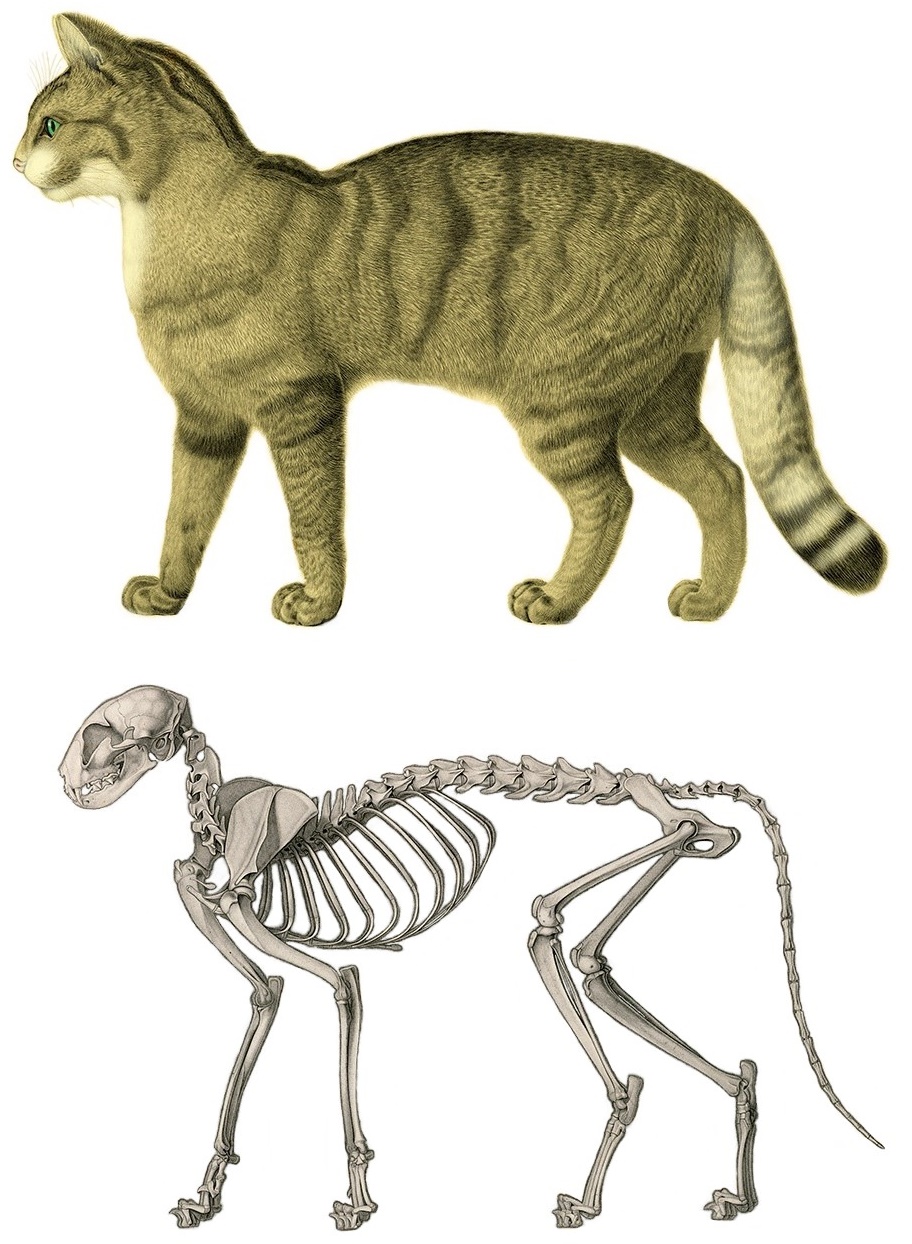
Across millions of modern households, the domestic cat occupies an extraordinary position: an apex predator that has negotiated a peaceful, deeply affectionate coexistence within the human living room. In the quiet afternoon warmth, a sleeping cat appears entirely relaxed, yet its senses remain perpetually calibrated to the surrounding environment. The slight swivel of an ear cup, the subtle twitch of a tail tip, and the silent adjustment of posture reveal an animal whose ancestral instincts remain remarkably intact. When the cat rises, stretching its spine with fluid anatomical grace, it navigates the domestic interior with effortless athleticism and quiet self-possession.
The biomechanics of Felis catus represent a masterclass in mammalian engineering. Possessing a uniquely flexible musculoskeletal structure, the feline skeleton lacks a rigid collarbone, allowing the shoulders to move independently and slip through any opening wide enough to accommodate the skull. The feline pad contains specialized tactile receptors that register microscopic ground vibrations, while the whiskers, or vibrissae, act as sensitive sensory navigation instruments capable of detecting subtle air currents in pitch darkness. Furthermore, feline auditory perception extends far into the ultrasonic spectrum, capturing high-frequency vocalizations of small rodents that remain utterly inaudible to the human ear.
This enduring alliance began approximately ten thousand years ago within the agricultural settlements of the Fertile Crescent. As early human communities shifted from nomadic foraging to grain storage, burgeoning rodent populations threatened agricultural stability. The African wildcat (Felis lybica) opportunistically entered these grain-rich settlements, initiating a self-domesticating partnership based on mutual benefit rather than human coercion. In pharaonic Egypt, this relationship evolved into sacred reverence; cats were celebrated as earthly manifestations of the protective deity Bastet, legally guarded against harm, and mourned with elaborate funerary rites. Maritime trade routes eventually carried these agile companions aboard Phoenician, Greek, and Roman vessels, distributing feline lineage into domestic environments across every continent.
Within the contemporary home, responsible feline stewardship demands an understanding of natural behavior. Although generations of indoor living have cushioned the domestic cat from wilderness hazards, its psychological well-being depends on satisfying innate behavioral drives. Providing vertical climbing territory, structured play sessions that simulate the predatory sequence, and scratch posts that facilitate territorial scent-marking are vital for mental stimulation. The physical act of grooming, performed using a tongue coated in backward-facing keratin papillae, serves not only hygienic purposes but also thermoregulation and stress reduction. Attentive caregivers recognize subtle changes in posture, vocalization, and litter box habits as early indicators of underlying medical conditions.
Unlike pack animals whose social hierarchies demand clear deference, the domestic cat navigates interpersonal relationships through nuanced negotiation and earned trust. Feline communication relies on subtle body language: a slow blink represents an offering of mutual vulnerability, while an upright tail with a slight curl at the tip communicates an amicable greeting. When a cat chooses to curl up beside its companion or rest its head upon an outstretched arm, it confers affection not out of subservience, but as an expression of sovereign choice.
Ultimately, the domestic bond between human and cat thrives on mutual autonomy and quiet respect. The low-frequency vibration of a feline purr, resonating between twenty and one hundred and forty hertz, has been shown by medical researchers to lower blood pressure, reduce anxiety, and promote cellular regeneration in human companions. In an increasingly noisy, demanding world, the domestic cat offers a soothing sanctuary of stillness, dignity, and contemplative grace, reminding us of the profound beauty found in quiet coexistence. This ancient covenant between independent hunter and human guardian endures as one of humanity's most gentle achievements.
Living alongside a feline companion enriches the domestic atmosphere with subtle grace, deepening our appreciation for the quiet rhythms of the natural world and the enduring beauty of interspecies friendship.























































