


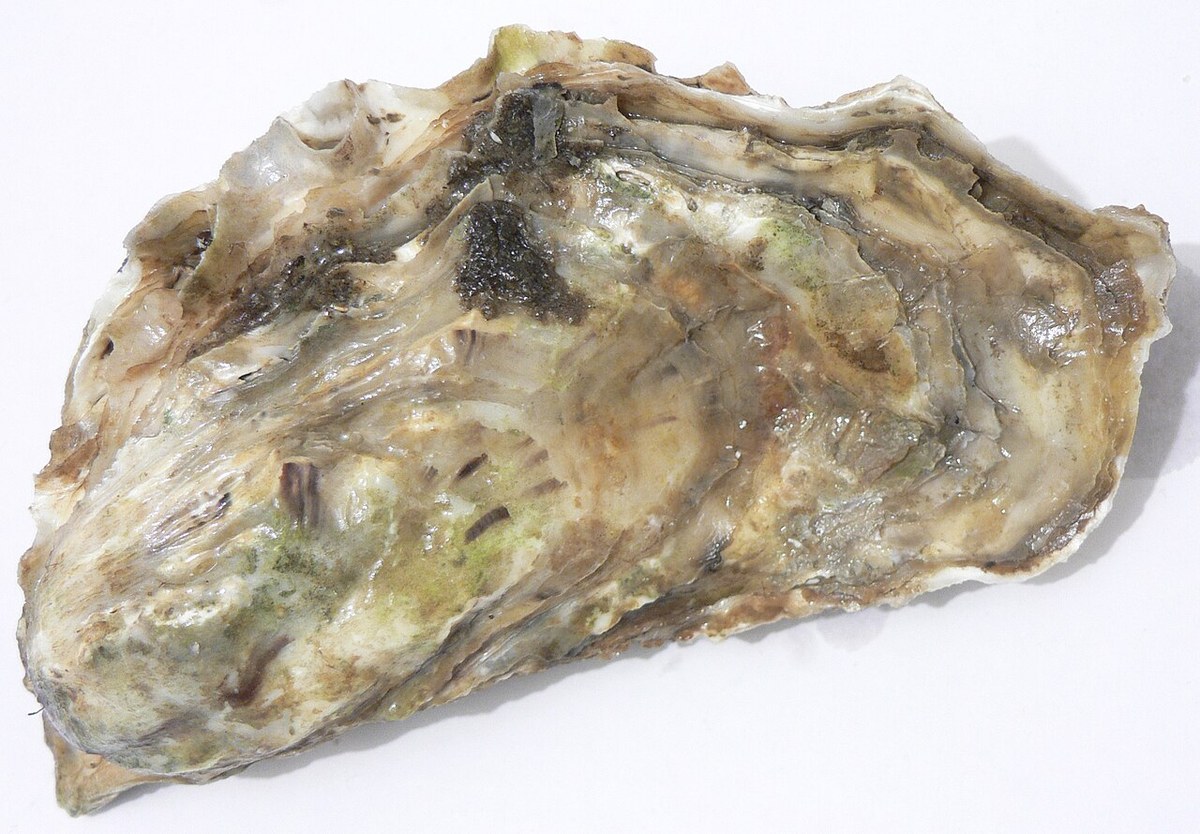
Along the estuaries of Brittany and the Arcachon basin, oyster cultivation is an ancient dialogue between lunar rhythms and human labor. The tidal surge flushes the bays with nutrient-rich plankton twice each day, transforming shallow coastal flats into fertile underwater pastures.
Ostreiculture requires years of rigorous vigilance. Larval spat are caught on lime-coated ceramic tiles before being transferred to heavy mesh pockets anchored to iron tables. As the tide recedes, vast landscapes of glistening mud are revealed, echoing with the clanking of iron hooks and diesel tractor engines racing against the incoming water.
Every few weeks, growers meticulously turn the bags. This labor-intensive agitation prevents the growing bivalves from fusing together and encourages them to build thick, hollowed cupped shells. The constant motion of the Atlantic surf sculpts a chamber capable of retaining precious sea liquor during transport.
Depending on their coastal terroir, oysters absorb distinct mineral notes: copper from deep rocky coves, crisp iodine from crashing breakers, or hazelnut sweetness from sheltered river mouths. The final refining in shallow clay ponds, known as claires, infuses the meat with delicate green algae and velvety tenderness.
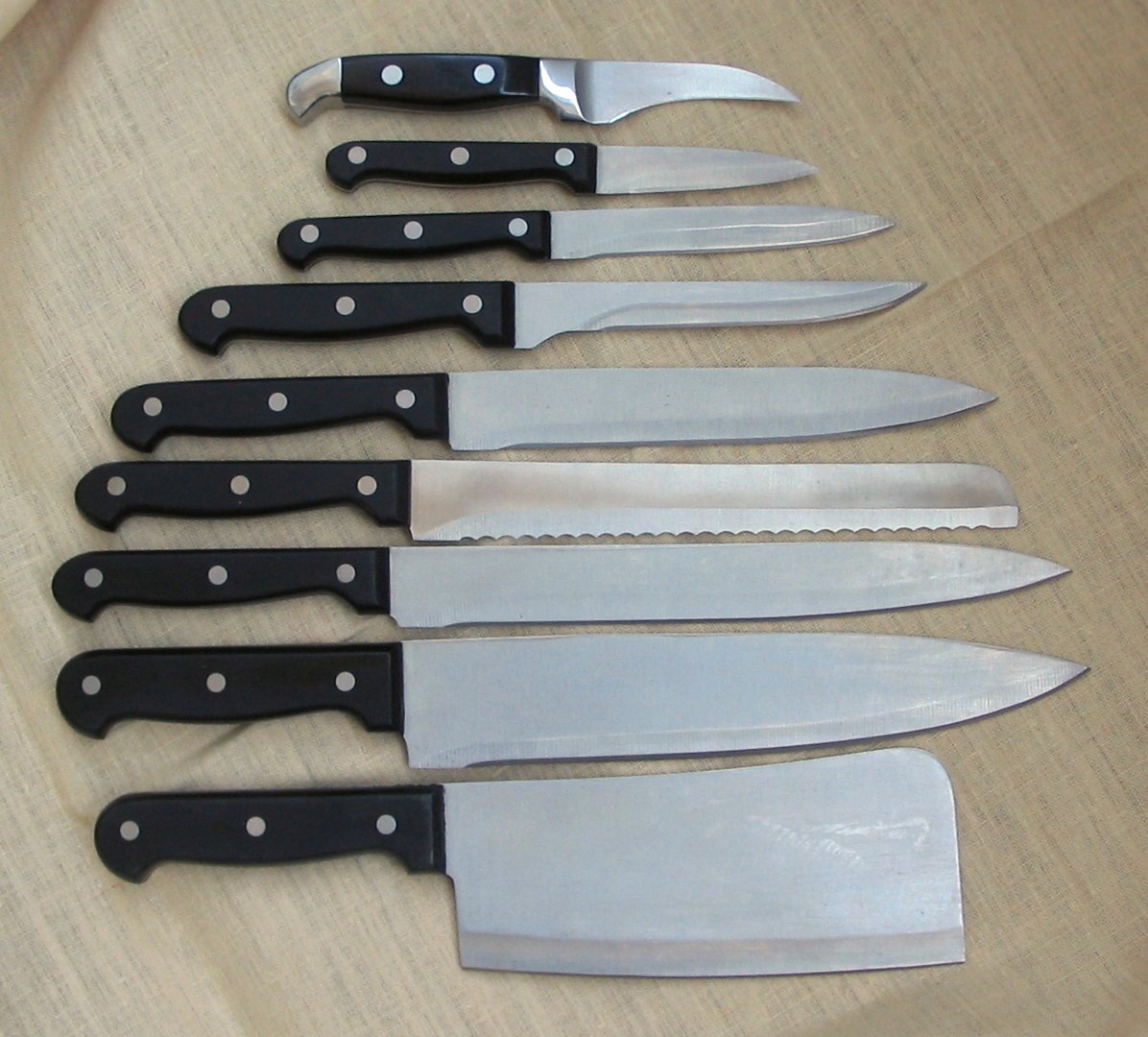
Shucking an oyster requires precise knife technique to sever the abductor muscle without tearing the tender flesh or spilling the liquor. Consumed raw from the half shell, it delivers an uncompromising sensory snapshot of maritime wilderness, celebrated from coastal shacks to historic Parisian brasseries.























































