


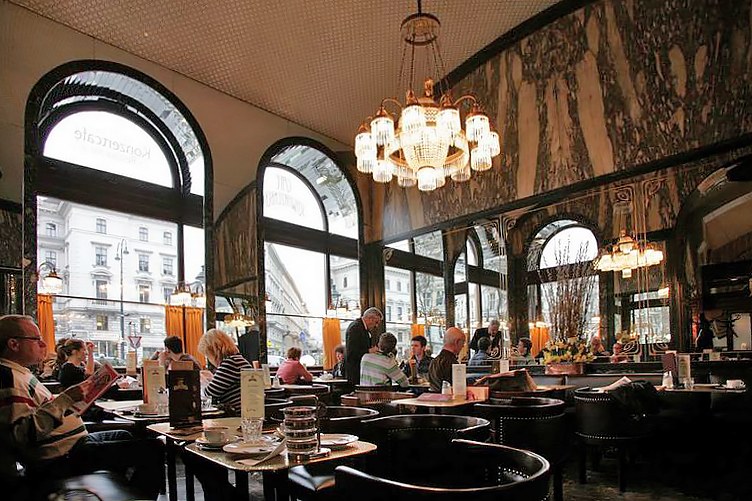
In Vienna, a coffee house can be a place to meet, read and work. The city's café tradition developed from the late seventeenth century. In 2011, Austria added Viennese coffee-house culture to its national heritage inventory. This recognises a living tradition, rather than giving each café a World Heritage title.
Older cafés often have small marble tables and chairs made from bent wood. Some rooms also have large mirrors and lamps. Newspapers are available for guests. A person can sit alone with a paper or meet others for a conversation.
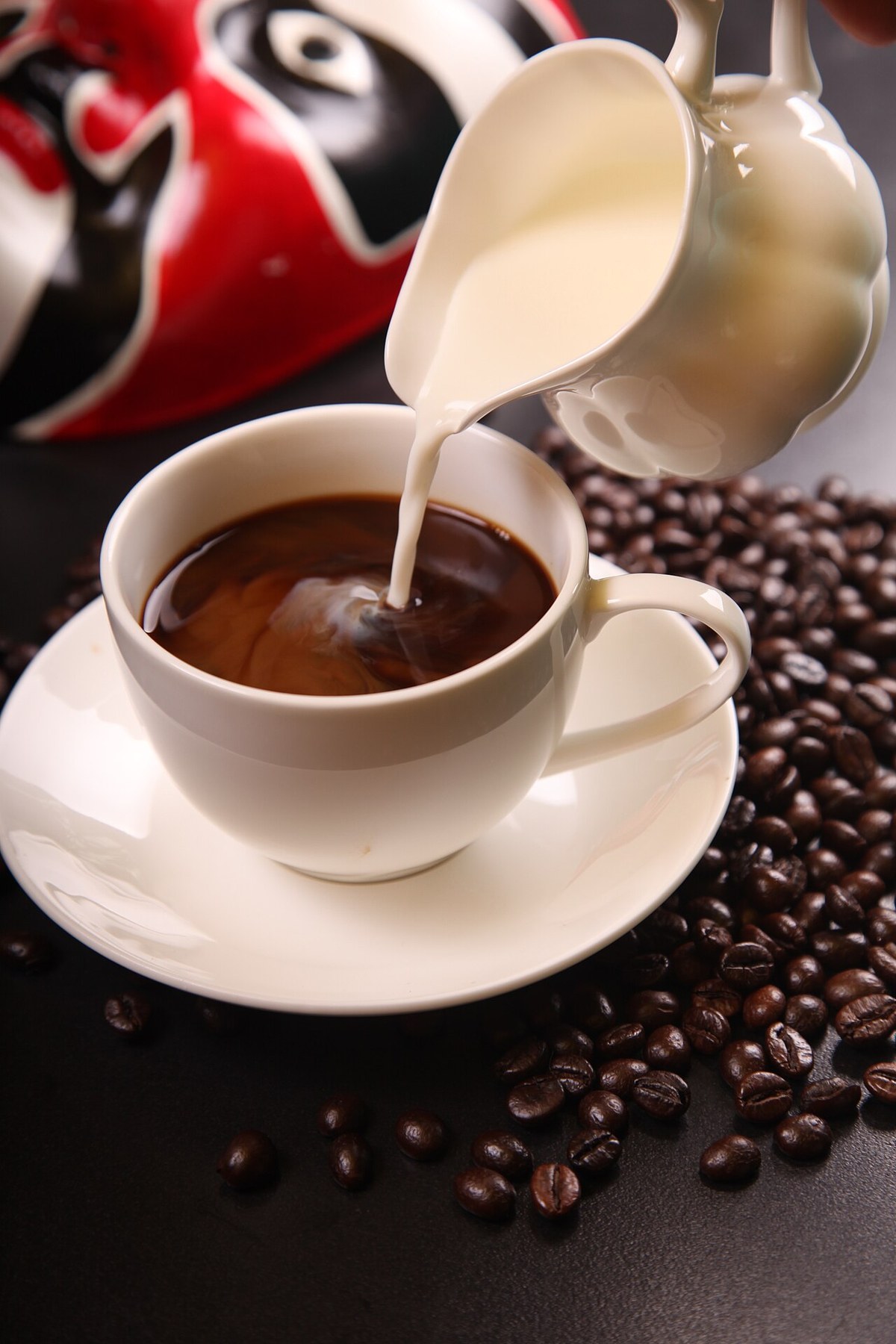
Melange is a coffee drink with milk and foam. A glass of water may arrive with it on a tray. The photograph shows this combination beside a newspaper. Service varies between cafés, as do the drinks, cakes and small meals on offer.
Writers and artists used coffee houses as meeting places. Arthur Schnitzler was among the writers who gathered in Vienna's cafés. Guests could discuss books and newspapers or work at their tables. These visits made cafés part of the city's cultural life.
Long visits remain part of the traditional café culture. Some guests read quietly, while others talk or play cards, as in the opening painting. Coffee is one part of the visit. The room, newspapers and company also help shape the experience.























































