


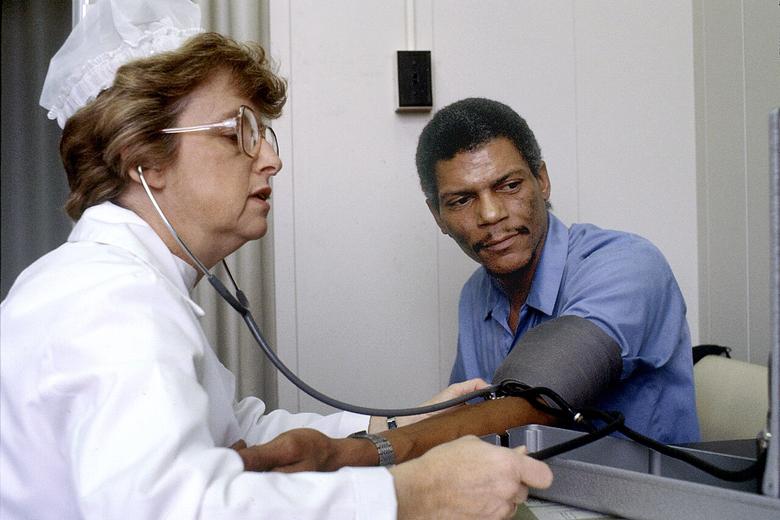
Within the high-acuity environments of contemporary healthcare institutions, the registered nurse functions as the vigilant clinical linchpin of patient survival, physiological stability, and systemic recovery. While attending physicians, surgeons, and medical subspecialists formulate diagnostic paradigms and therapeutic regimens during periodic morning rounds, the registered nurse maintains continuous, unbroken surveillance at the bedside throughout the twenty-four-hour cycle. Operating across emergency departments, medical-surgical wards, oncological day units, and intensive care facilities, the nurse orchestrates complex physiological support systems, navigating the delicate boundary between physiological equilibrium and catastrophic decompensation with remarkable technical acumen, diagnostic foresight, and rapid clinical decision-making.
The contemporary nursing practice demands mastery over an expansive array of advanced biomedical technologies and rigorous pharmacotherapeutic protocols. Nurses manage multi-channel volumetric infusion pumps and syringe drivers, precisely titrating vasoactive catecholamines, opioid analgesics, and intravenous electrolyte solutions down to fractions of a milliliter per hour. They maintain central venous access lines, peripherally inserted central catheters (PICC lines), arterial cannulas, and underwater chest drains under rigorous aseptic conditions to eliminate the risk of life-threatening hospital-acquired bloodstream infections. The nursing armamentarium includes multiparameter telemetry systems continuously tracking twelve-lead electrocardiographic rhythms, continuous pulse oximetry, end-tidal capnography, and invasive arterial blood pressure waveforms, requiring the clinician to filter false alarms while instantaneously recognizing malignant cardiac dysrhythmias, acute pulmonary edema, or emergent ventilatory failure. Additionally, registered nurses independently manage enteral and total parenteral nutrition (TPN) infusions, verifying biochemical compatibility and strictly monitoring metabolic tolerance to prevent refeeding syndromes.
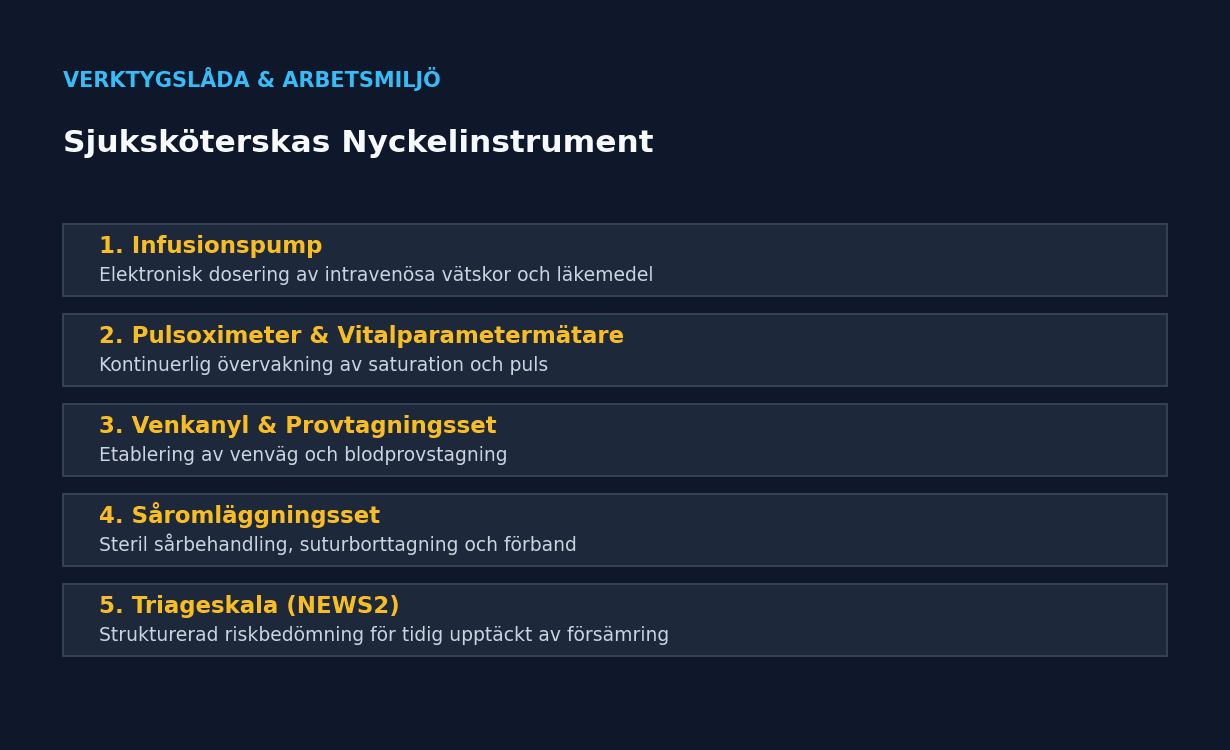
Clinical reasoning in professional nursing rests upon sophisticated physiological surveillance and early warning triage methodologies. By systematically recording and synthesizing physiological parameters into National Early Warning Scores (NEWS2), the nurse detects the subtle prodromal manifestations of clinical deterioration hours before macroscopic cardiopulmonary arrest occurs. Subconscious shifts in respiratory cadence, declining hourly urine output, peripheral skin mottling, or subtle altered mentation serve as critical biomarkers of emergent septic shock, internal hemorrhage, or acute pulmonary embolism. The nurse rapidly initiates non-invasive oxygen therapy, conducts point-of-care arterial blood gas sampling to evaluate metabolic acidosis, recalibrates pharmacological infusions, and deploys structured crisis communication protocols, such as the SBAR framework, to mobilize rapid medical response teams without delay.
Yet, nursing remains fundamentally anchored in an empathetic, holistic humanism that counterbalances the sterile mechanization of tertiary healthcare environments. In accordance with established nursing models, the clinician addresses not merely biophysical pathology, but the comprehensive human experience of illness and hospitalization. Nurses perform specialized wound debridement, applying advanced hydrocolloid dressings and negative-pressure wound therapy systems to accelerate cellular tissue regeneration in complex surgical incisions. Concurrently, they deliver essential psychological reassurance, applying validated delirium prevention bundles, mitigating existential anxieties, and translating arcane medical terminology into comprehensible concepts for vulnerable patients and distressed family members during moments of existential crisis.
The operational reality of nursing requires extraordinary physiological and psychological resilience, sustained across demanding rotating rosters and exhausting nocturnal shifts. During night rotations, when institutional medical staffing is substantially diminished, the registered nurse exercises heightened clinical autonomy, managing severe pain crises, titrating nocturnal sedatives, and supervising emergency stabilization protocols. Interprofessional collaboration is paramount; nurses coordinate closely with clinical hospital pharmacists, respiratory therapists, physiotherapists, and medical social workers, orchestrating individualized discharge planning designed to ensure medication safety and minimize thirty-day hospital readmissions.
Ultimately, the registered nurse embodies the indispensable ethical conscience, academic rigor, and clinical backbone of modern healthcare delivery systems. Through extensive university education in nursing science and unwavering adherence to evidence-based clinical guidelines, nurses advocate unceasingly for patient autonomy, informed consent, and robust safety culture across every demographic boundary. The quiet, relentless vigilance of the registered nurse at the bedside transforms fragmented hospital interventions into an integrated, dignified, and humanized healing process, securing their standing as the most trusted healthcare professionals in modern society.























































