


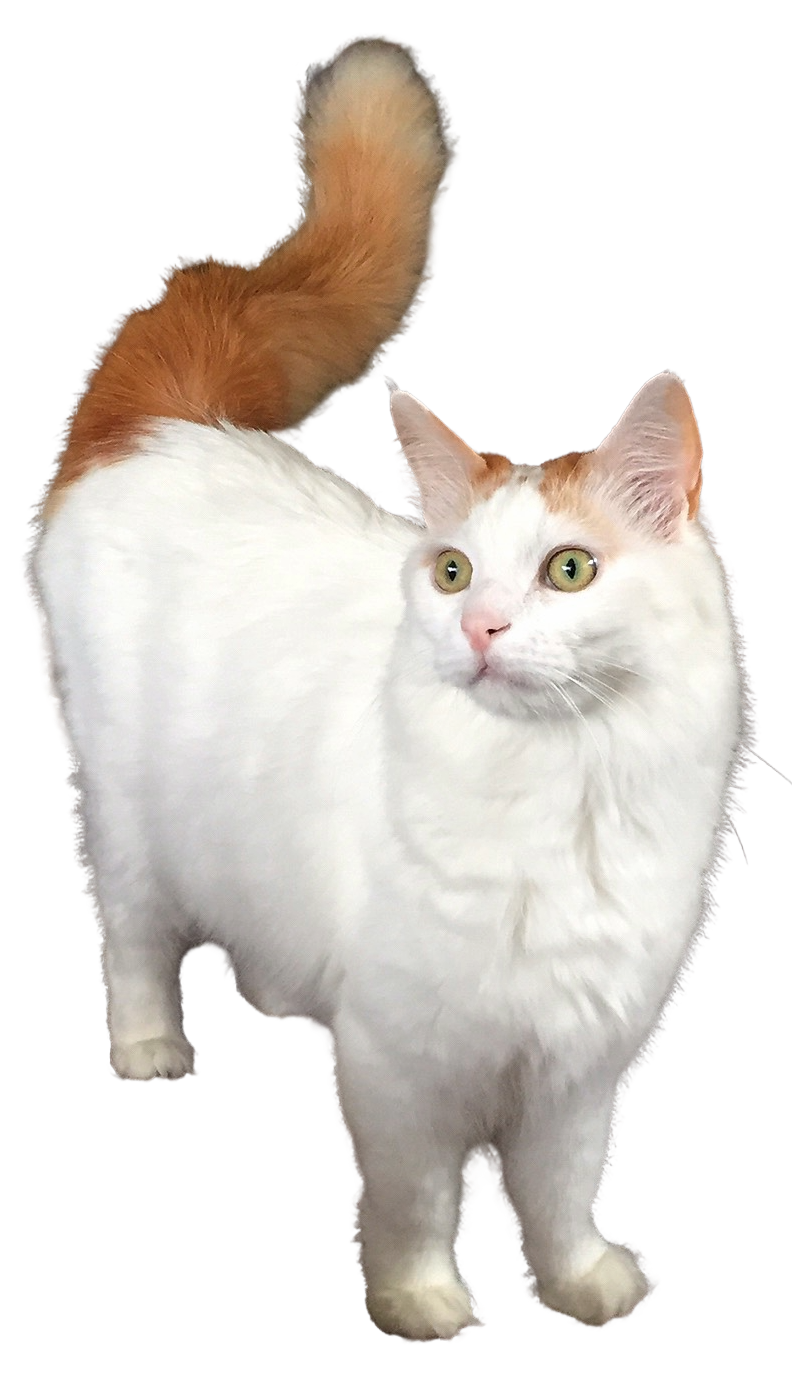
Within the domestic environment, few phenomena embody the exuberant dynamism of early mammalian ontogeny quite like a young kitten. In the amber glow of morning light, a nine-week-old feline transforms an ordinary living room into an expansive landscape of predatory experimentation. A discarded paper wrapper or a trailing ribbon becomes an elusive quarry. Crouching low with dilated pupils and kinetic tension concentrated in its hindquarters, the kitten launches into an aerial pounce. Its trajectory is characterized by raw enthusiasm rather than practiced efficiency, sliding gracelessly across polished parquet before scrambling upright with undaunted composure.
The neurobiological and physical metamorphosis of Felis catus during early life progresses with astonishing rapidity. Altricial at birth, neonatal kittens emerge blind, deaf, and entirely reliant upon maternal thermoregulation and nursing. By the third week of life, the external auditory canals unfurl and binocular visual pathways begin coalescing, enabling primitive depth perception. Between four and twelve weeks, neurogenesis and synaptic myelination peak, driving dramatic refinements in vestibular balance, motor coordination, and claw articulation. Play behavior serves as the indispensable evolutionary crucible through which rudimentary hunting sequences—stalking, chasing, pouncing, and capturing—are rehearsed and hardwired into neural architecture.
Crucial to this developmental trajectory is the primary socialization window, which occurs between two and nine weeks of life. During this formative period, the presence of the queen and littermates provides vital behavioral calibration. Through rough-and-tumble sibling wrestling, kittens master bite inhibition; excessive force is immediately met with defensive vocalizations and cessation of interaction, teaching social restraint. Simultaneously, positive interactions with human caretakers during this receptive phase cultivate an enduring temperamental foundation, preventing neophobia and establishing cross-species trust that defines adult disposition.
Integrating a young feline into the domestic sphere necessitates thorough environmental stewardship. Kittens possess an innate curiosity unburdened by risk awareness, prompting them to chew exposed electrical conduits, ingest linear foreign bodies like thread, and wedge themselves into precarious structural voids. Comprehensive kitten-proofing must accompany optimal developmental nutrition; high-caloric, protein-dense sustenance supports rapid skeletal expansion and immune competence. Furthermore, establishing a preventative veterinary schedule—incorporating core vaccinations, endoparasite protocols, and developmental tracking—safeguards the kitten against virulent pediatric pathogens.
The energetic cycles of a growing kitten operate on an abrupt binary rhythm: volcanic bursts of kinetic intensity alternate with profound, restorative slumber. Following an hour of frenetic exploration, the kitten's metabolic threshold collapses instantaneously. Seeking the localized warmth of a human lap, it circles twice, collapses into a compact silhouette, and activates its low-frequency purring mechanism. This somnolent phase facilitates essential endocrine secretion, converting the sensory intake of play into consolidated neural memory and somatic growth. During rapid eye movement sleep, subtle whisker twitches and faint vocal mews signal the cognitive reprocessing of daytime adventures.
Cognitive development in young felines flourishes when enriched by multi-dimensional problem-solving opportunities. Introducing puzzle feeders, vertical scratching posts of varied textures, and rotational sensory objects stimulates innate problem-solving faculties while mitigating boredom. Ethological research demonstrates that kittens reared in cognitively vibrant domestic spaces exhibit superior emotional adaptability and lower baseline cortisol levels when confronted with novel stimuli in adult life.
Ultimately, rearing a kitten offers human guardians a privileged glimpse into the raw elegance of emergent instinct. The patient investment of affection, gentle boundaries, and responsive companionship transforms a fragile, tempestuous explorer into a poised, deeply bonded adult feline. In the quiet rhythm of their rhythmic breathing against our palms, we witness the blossoming of an interspecies alliance that enriches the human spirit with wonder, patience, and profound domestic peace.
Early neurological stimulation and positive habituation to veterinary carriers and grooming tools establish permanent behavioral stability, preventing chronic phobias and fostering an adaptable, confident companion throughout adult life. Regular juvenile health checks ensure that vaccines and parasite protocols provide comprehensive immunological defense.























































