


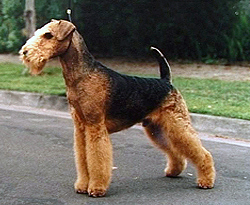
Early in the morning, a dog waits by the front door. It hears familiar steps and sees its owner pick up the lead. Soon they are walking together in the fresh air. The dog stops beside a bush and smells it carefully. Then it follows a smell across the grass. When its owner throws a ball, it runs to fetch it. A walk gives this dog time to move, explore, and play.
Smells help a dog learn about the world around it. It can notice smells that people cannot easily detect. A smell on the ground may come from another animal. Dogs also use their noses to find toys or follow tracks. Their ears can turn towards a sound. Their eyes help them follow movement. These senses work together when a dog walks, plays, or works with people.
People and dogs have lived together for many thousands of years. Dogs came from ancient wolves, but the beginning of this relationship is still uncertain. Over time, dogs learned to work with people. They helped hunters find animals and protected homes and sheep. In cold regions, they pulled sleds across the snow. Today, some specially trained dogs guide people who cannot see. Others search for missing people. These jobs take a great deal of training.
A dog needs time and care every day. It needs suitable food, fresh water, exercise, and quiet rest. Games also give it things to think about. Clear rules and rewards help it learn what to do. The amount of exercise it needs depends on its age and health. A vet can help owners understand its needs. After a wet walk, its owner can dry its paws and give it a comfortable place to rest.
Understanding a dog means watching its whole body. A moving tail does not always mean that it is happy. A stiff body or an attempt to move away can show fear. Its ears and mouth also give us information. At the end of the day, some dogs rest near their family. Others choose a quiet corner. Dogs differ, and they do not always want to be touched. Respecting these signals helps people and dogs live comfortably together.























































