


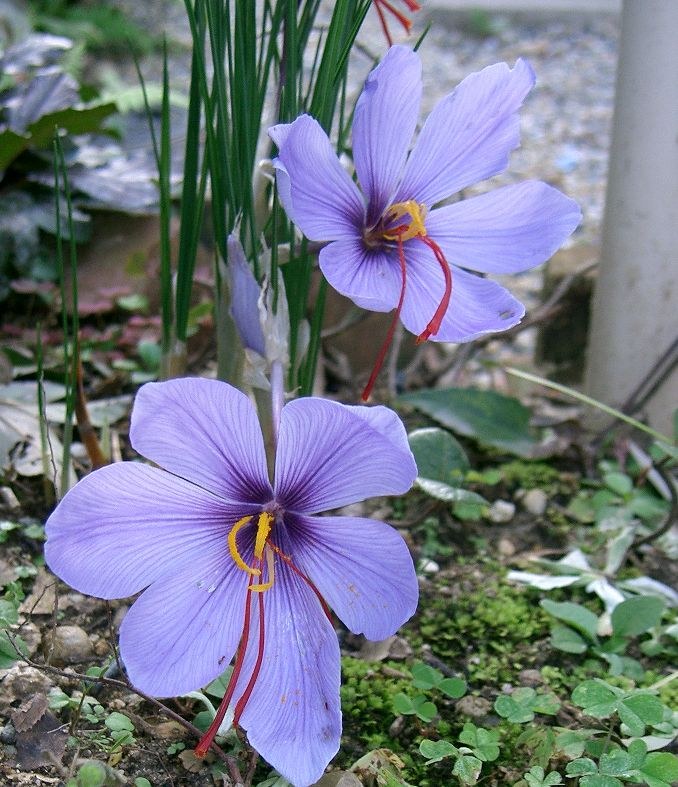
Known throughout history as red gold, saffron is derived from Crocus sativus, a sterile triploid bulb that owes its continuous survival entirely to human propagation and labor. Cultivated primarily across the arid high plateaus of Iran, the hills of Spain’s La Mancha, and Greece’s Kozani region, saffron harvesting represents one of agricultural humanity’s most delicate manual rituals.
The flowering window spans a brief fortnight in late autumn. As night turns to dawn, pickers traverse the frosty rows bent low, snapping the violet blossoms from their stalks before the morning sun degrades the volatile compounds within. Speed is paramount: blossoms left exposed to midday warmth rapidly wilt, risking moisture damage to the delicate stigmas within.
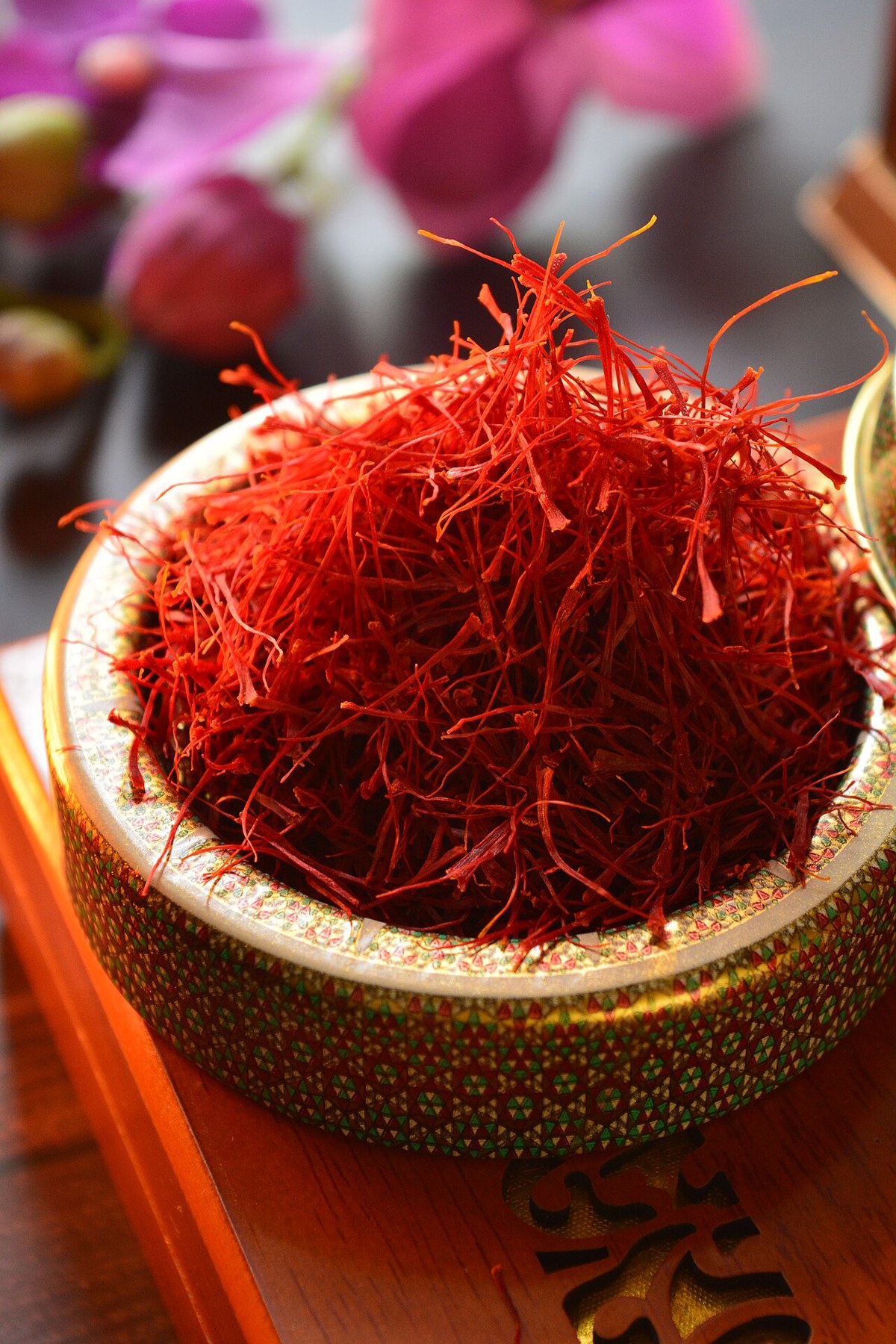
Following harvest, the mondatura or trimming process begins. Families gather around tables to separate the tripartite crimson stigma from the pale yellow style. The red threads are subsequently roasted over gentle embers or in convection kilns, a critical step that develops safranal for aroma and activates crocin, the water-soluble carotenoid responsible for intense golden tinting.
Historically revered in Minoan frescoes, Persian royal garments, and medieval medicinal treatises, saffron was valued as both a sacred dye and a panacea. So prized was its purity that medieval German authorities established severe penalties, including execution, for merchants caught adulterating the spice with shredded safflower or colored horsehair.
In modern culinary arts, saffron defies simple flavor categorization: it is bitter yet sweet, metallic yet honeyed, earthy yet floral. Whether infusing the creamy arborio rice of Milan or enriching festive winter pastries, it bestows an unmistakable majesty that synthetic substitutes cannot replicate.























































