


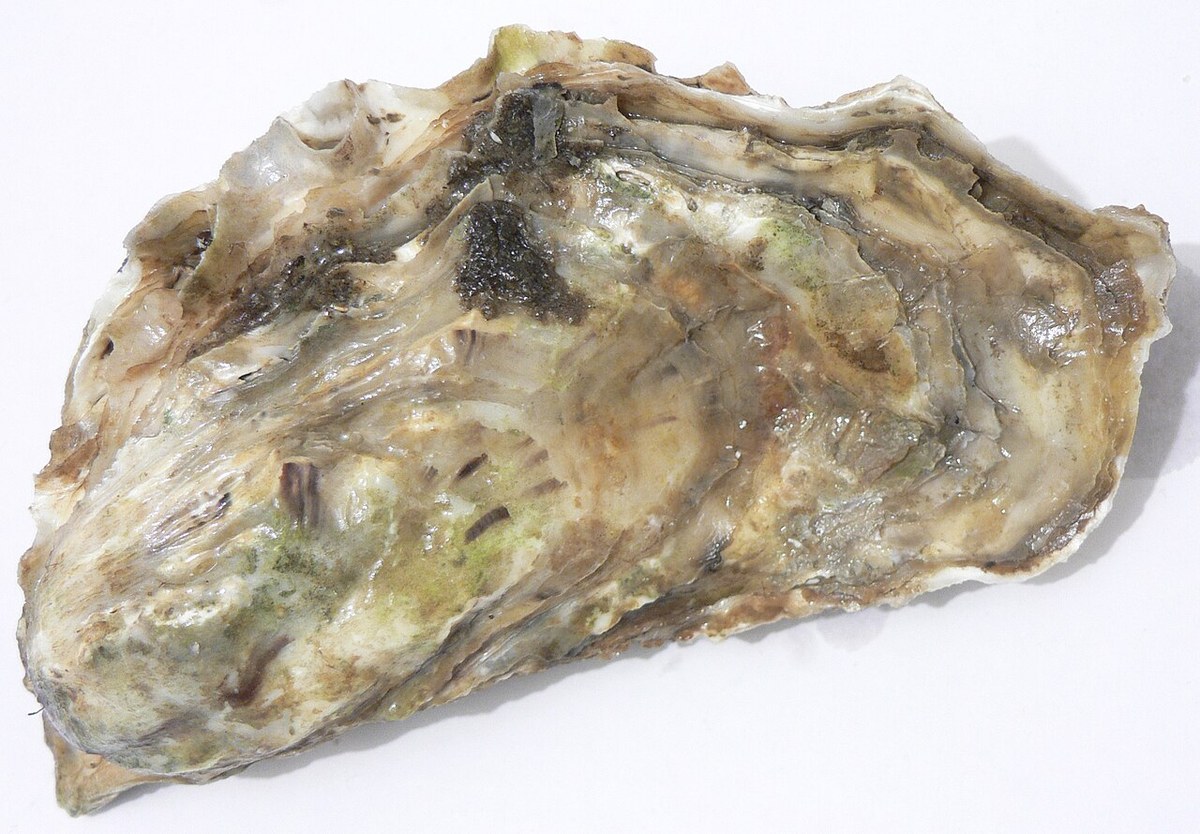
People farm oysters along France's Atlantic coast, including Brittany and the Arcachon basin. Their work follows the tides. As the sea falls, wet areas of sand and mud appear. Growers can reach parts of the farm that are covered by water when the tide is high.
Young oysters grow in mesh bags on low tables. Water passes through the bags, carrying tiny organisms that provide food. The oysters grow over several years. Growers check them regularly and move them when they need more space. The bags allow water to reach the animals inside.
Growers turn the bags and sort oysters by size. They also remove material that collects on the shells and nets. This keeps water moving through the bags. The work involves repeated visits and heavy lifting. Growing oysters is therefore a long process with many separate tasks.
Some oysters spend a finishing period in shallow ponds called claires. These have clay bottoms and are important around Marennes-Oléron. The oysters' food, colour and taste can change there. This is a particular regional method. Other oysters reach the market without passing through these ponds.
Restaurants serve oysters raw or cooked, and their flavours can vary. The second photograph shows steamed oysters. Raw oysters can contain harmful germs without looking, smelling or tasting bad. Lemon does not remove this danger. Appearance and flavour alone therefore cannot show whether a raw oyster is safe.























































