


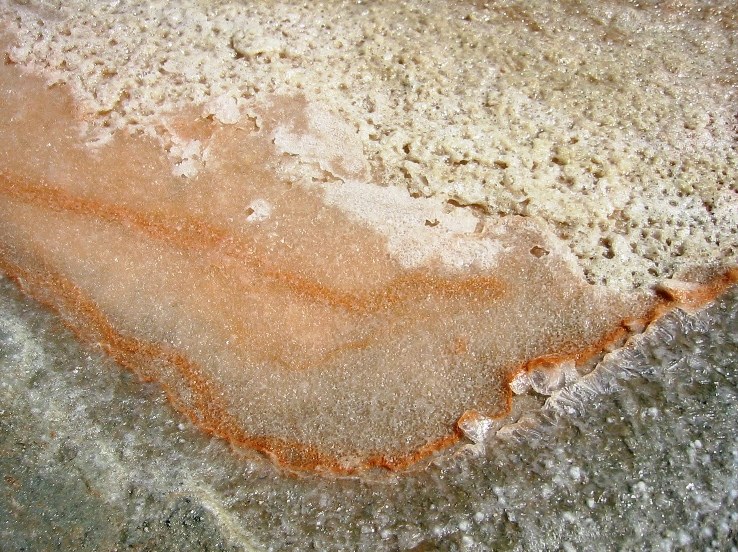
At Guérande on the French coast, workers collect sea salt by hand. Shallow ponds connect through narrow channels. Seawater passes from one pond to another, while clay bottoms hold it in place. The workers care for the water system and the paths between the ponds.
During summer, sun and wind help water pass into the air. The salt remains and forms crystals. Weather affects the rhythm of the work. Rain can interrupt production, and workers wait for suitable conditions to return. Harvesting therefore depends on more than the tools and ponds alone.
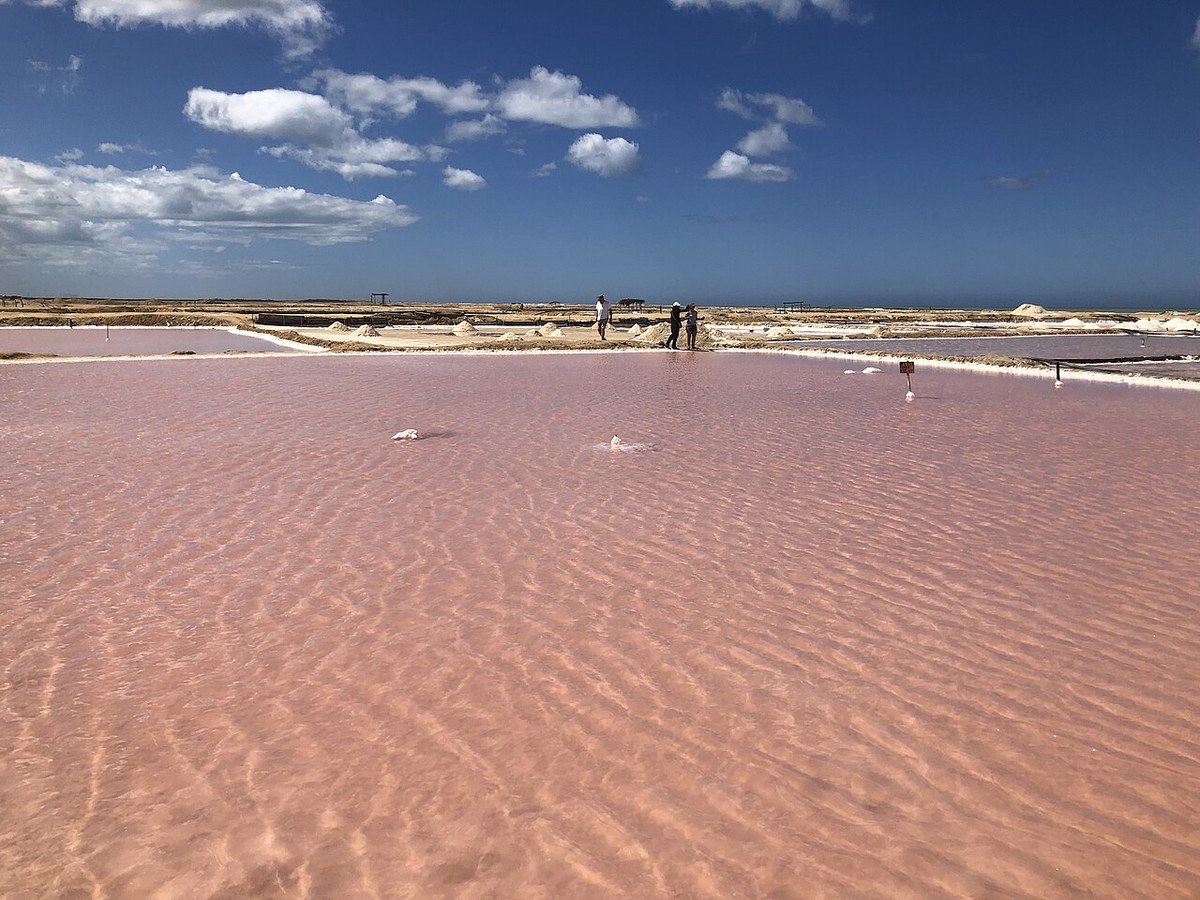
A thin layer of salt can form at the water's surface. It is called fleur de sel, meaning flower of salt. The crystals are light and fragile. Workers gather them carefully with long-handled tools, keeping them separate from the salt lying at the bottom of the pond.
Coarser grey salt forms lower down. Its colour comes from contact with the clay. Workers gather this salt from the bottom using a different movement. Surface salt and grey salt can therefore come from the same ponds. Their different positions require different ways of collecting them.
In cooking, coarse salt can add flavour during preparation. Fleur de sel can finish a dish after cooking. People use it on fish, butter and even chocolate. The small crystals add saltiness and texture. Their path to the plate begins with seawater, weather and the workers' careful harvest.























































