


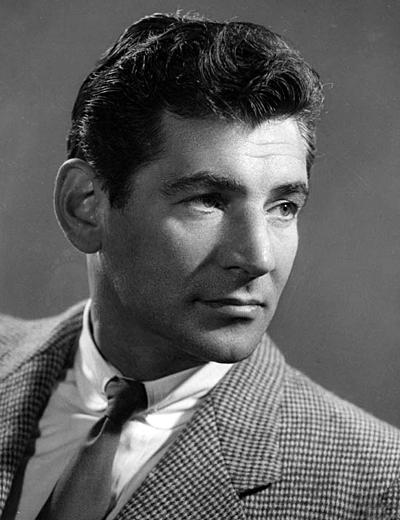
Ascending the podium amidst the hushed anticipation of a packed auditorium, the orchestral conductor commands an acoustic collective of exceptional complexity and historical depth. Arranged in a disciplined semi-circle before them sit approximately one hundred virtuosic instrumentalists—violins, violas, cellos, contrabasses, double reeds, brass sections, and percussionists. The conductor produces no physical sound themselves during the concert, yet every subtle gradation of timbre, rhythmic velocity, and expressive architecture originates from their non-verbal leadership. In this exalted artistic space, conducting represents the invisible architecture of musical time, transforming static printed notation into an evocative, living auditory phenomenon that resonates through the collective human psyche.
The maestro's creative labour begins long before the first rehearsal commences, unfolding in deep solitary scholarship and historical research. Immersed in monumental orchestral scores comprising dozens of simultaneous polyphonic staves, the conductor internalizes the full architectural vision of composers like Mahler, Stravinsky, or Beethoven. They decipher intricate harmonic progressions, calculate proportional tempo transitions, and evaluate historical performance traditions. They consult original manuscript facsimiles, scrutinizing editorial emendations and performance markings to understand the composer's unvarnished intentions. By singing individual melodic lines internally and constructing an idealized auditory image in their imagination, the conductor determines the interpretive philosophy that will govern how the ensemble breathes, articulates accents, and balances contrasting instrumental choirs across expansive symphonic movements.
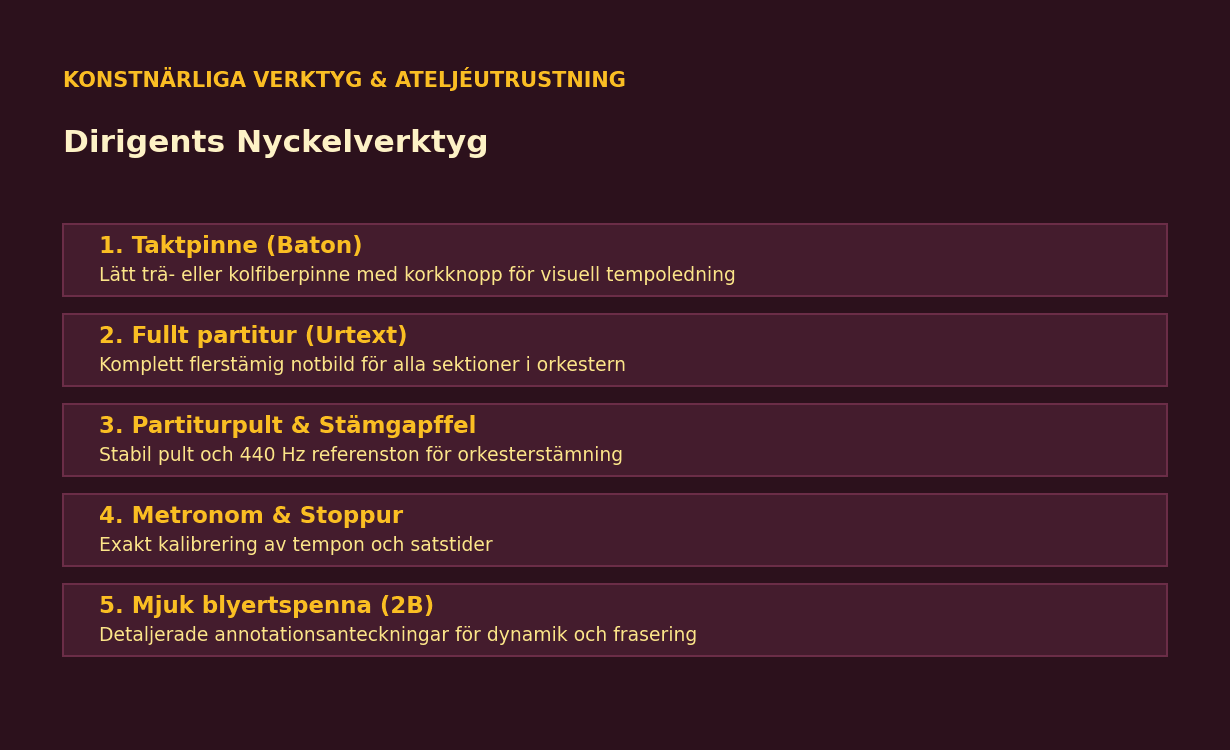
On the podium, the physical mechanics of conducting integrate precise motor discipline with transcendent emotional expressiveness. Held primarily in the right hand, the slender baton—fashioned from lightweight birch, carbon fiber, or fiberglass—delineates temporal meter and spatial clarity across the horizontal and vertical planes. The tip of the baton indicates the precise ictus, providing the split-second temporal anchor around which dozens of disparate string bows and wind attacks must coordinate. Simultaneously, the left hand operates independently as the primary vehicle for artistic nuance, shaping dynamic swells, manipulating articulation textures, and summoning ethereal pianissimos or overwhelming orchestral climaxes with effortless authority.
Guiding one hundred highly accomplished musicians demands profound psychological acuity, diplomatic leadership, and boundless communicative clarity. Rehearsals constitute intense collaborative laboratories where the conductor balances authoritative direction with artistic empowerment. A conductor must instantly identify balance imbalances—such as heavy trombones masking delicate woodwind counterpoint—and rectify acoustic discrepancies across diverse performance venues. This delicate collaborative alchemy requires the maestro to balance unwavering technical discipline with generous artistic validation. Facial expressions, eye contact, and subtle posture adjustments communicate vital micro-cues to section principals, fostering an atmosphere of mutual trust where virtuosic individuals surrender their egos to serve the collective aesthetic vision of the composition.
Beyond mechanical timekeeping, the conductor navigates the complex physics and psychoacoustics of live orchestral resonance. Concert halls possess distinct reverberation signatures that directly affect how acoustic sound propagates from the stage into the audience galleries. In acoustic halls with long reverberation decay times, tempo choices must accommodate lingering harmonics to prevent sonic blurring, whereas drier halls require crisper articulation, warmer vibrato, and richer phrasing. Through subtle micro-adjustments in beat placement and dynamic decay, they mold the hall's natural reverberation into an active expressive partner. The conductor constantly monitors this acoustic feedback loop in real time, adjusting gestures dynamically to ensure that intricate polyphonic textures remain transparent to listeners in the outermost balconies.
Ultimately, the orchestra conductor serves as an essential living bridge linking historical masterpieces, contemporary compositional visions, and the human soul. By uniting disparate voices into a singular transcendent sonic organism, they demonstrate the extraordinary potential of human collaboration and disciplined imagination. When an orchestral movement concludes and complete silence falls across the breathless hall before the eruption of thunderous applause, the conductor has fulfilled their sacred artistic duty: breathing life into silence, preserving cultural heritage, and elevating the human spirit through the boundless majesty of symphonic music.























































