


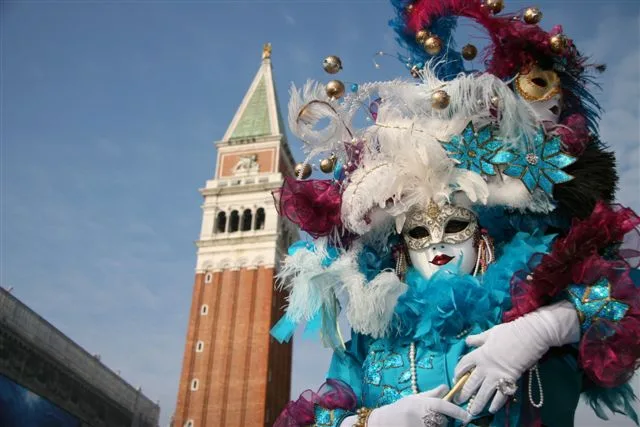
Born in 1873 at the historic Caffè del Casinò when local young gentlemen decided to stage a parade mocking municipal tax collectors, the Carnival of Viareggio evolved into the global capital of monumental allegorical satire. Held along the majestic Art Nouveau promenade of the Versilian coast, this spectacle combines engineering bravura with the sharp, irreverent wit characteristic of Tuscan political culture.
The defining breakthrough came in 1925 with the perfection of carta a calco—a refined papier-mâché formula incorporating recycled newspaper strips bonded with boiling water, flour glue, and whiting plaster over hand-welded steel armature. Inside the colossal hangars of the Cittadella del Carnevale, artisan dynasties sculpt figures weighing several tons yet light enough to sway gracefully atop mobile chassis. Sophisticated hydraulic pistons and internal cable systems allow single puppetmasters to animate multi-jointed arms, rolling eyeballs, and opening jaws representing presidents, dictators, and global icons.
Accompanied by synchronized brass bands and hundreds of costumed chorus dancers, these moving behemoths confront contemporary anxieties—from ecological crises to geopolitical conflict—through cathartic burlesque. Under the patronage of Burlamacco, the Commedia dell'arte-inspired clown created in 1930 by futurist painter Uberto Bonetti, Viareggio transforms the coastal breeze into a triumphant festival of free speech and communal laughter.























































