


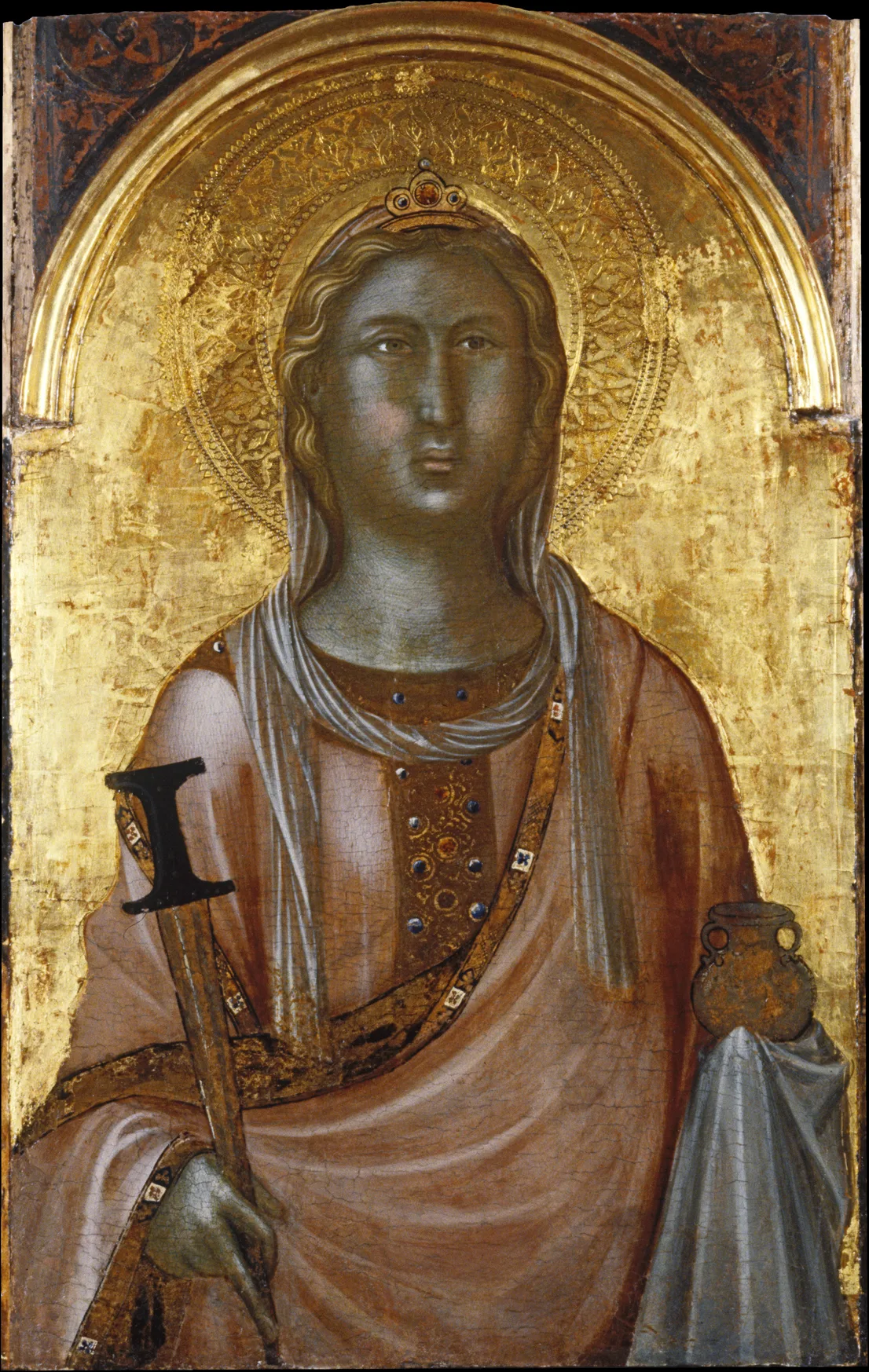
On the thirteenth of December, before the earliest winter dawn breaks across Scandinavia, a profound hush envelops towns and villages. In the old Julian calendar, this date coincided with the winter solstice—the longest and most perilous night of the year, when folklore warned that supernatural spirits wandered freely through the biting frost. To banish this ancient dread, Swedish households instituted a morning ritual of grace and illumination that has evolved into one of the nation's most cherished cultural landmarks.
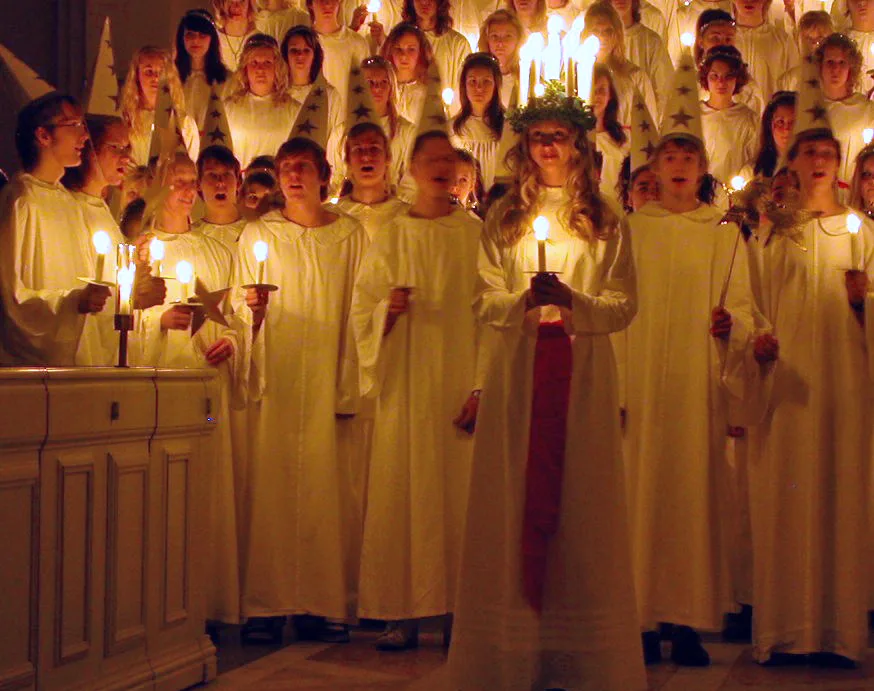
The ceremony begins in absolute darkness, broken only by the approaching melody of 'Sankta Lucia' sung in delicate four-part harmony. At the head of the procession walks the chosen Lucia, draped in immaculate white linen with a crimson sash symbolizing sacrifice. Upon her head rests an iron wreath woven with evergreen lingonberry sprigs, supporting living candles whose wax drizzles into a protective collar. Behind her glide attendant maidens and slender star boys holding paper wands, their flickering flames casting dancing silhouettes across whitewashed church arches and timbered school halls.
The sensory experience is completed by the scent of warm spices cutting through the winter chill. Trays of golden lussekatter—s-shaped yeast buns richly infused with saffron and studded with dark raisins—are distributed with steaming mugs of spiced glögg and paper-thin gingerbread biscuits. Beyond mere pageantry, the Lucia procession acts as a communal sanctuary against seasonal depression, transforming the dread of subarctic isolation into an aesthetic celebration of solidarity and renewed hope.























































