


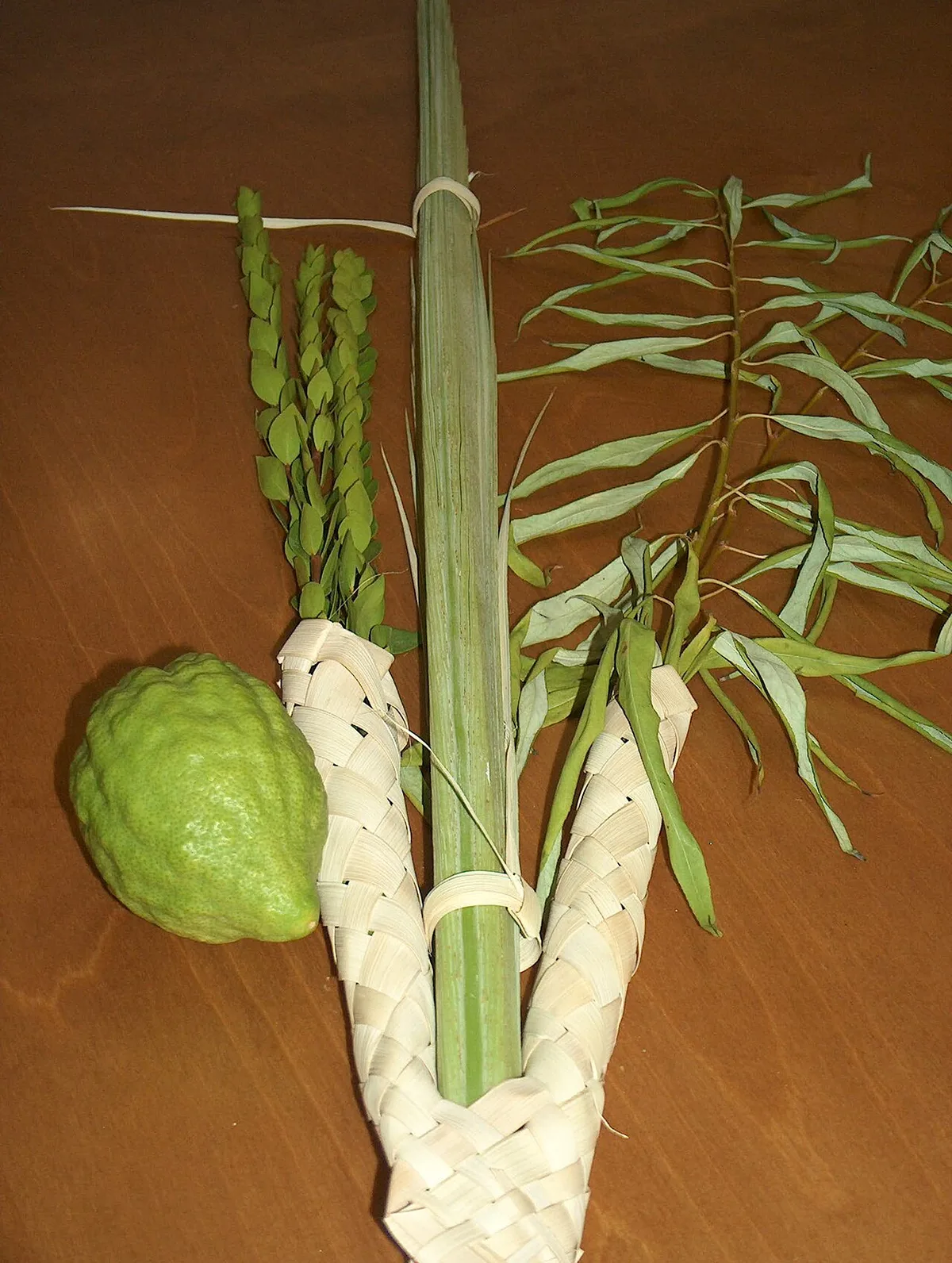
Prescribed in the biblical Book of Leviticus as both an agricultural thanksgiving (Hag HaAsif) and a memorial of the forty-year desert wandering after the Exodus, the seven-day festival of Sukkot marks the climax of the autumn harvest in the Levant. At its spiritual heart is the construction of the sukkah, an ephemeral dwelling whose roof covering (sekhakh) must derive from unworked vegetative matter—such as palm fronds, reed stalks, or pine boughs—spaced sparsely enough to allow celestial stars to filter through.
Inhabiting the sukkah represents a radical spiritual lesson in humility: leaving comfortable modern stone rooms to embrace the physical vulnerability of temporary shelter. Inside, walls are festooned with harvest fruits, tapestries, and children’s artwork, while traditional hospitality (hakhnasat orchim) invites both living guests and symbolic ancestral patriarchs and matriarchs (ushpizin) to partake in evening feasts under lantern light.
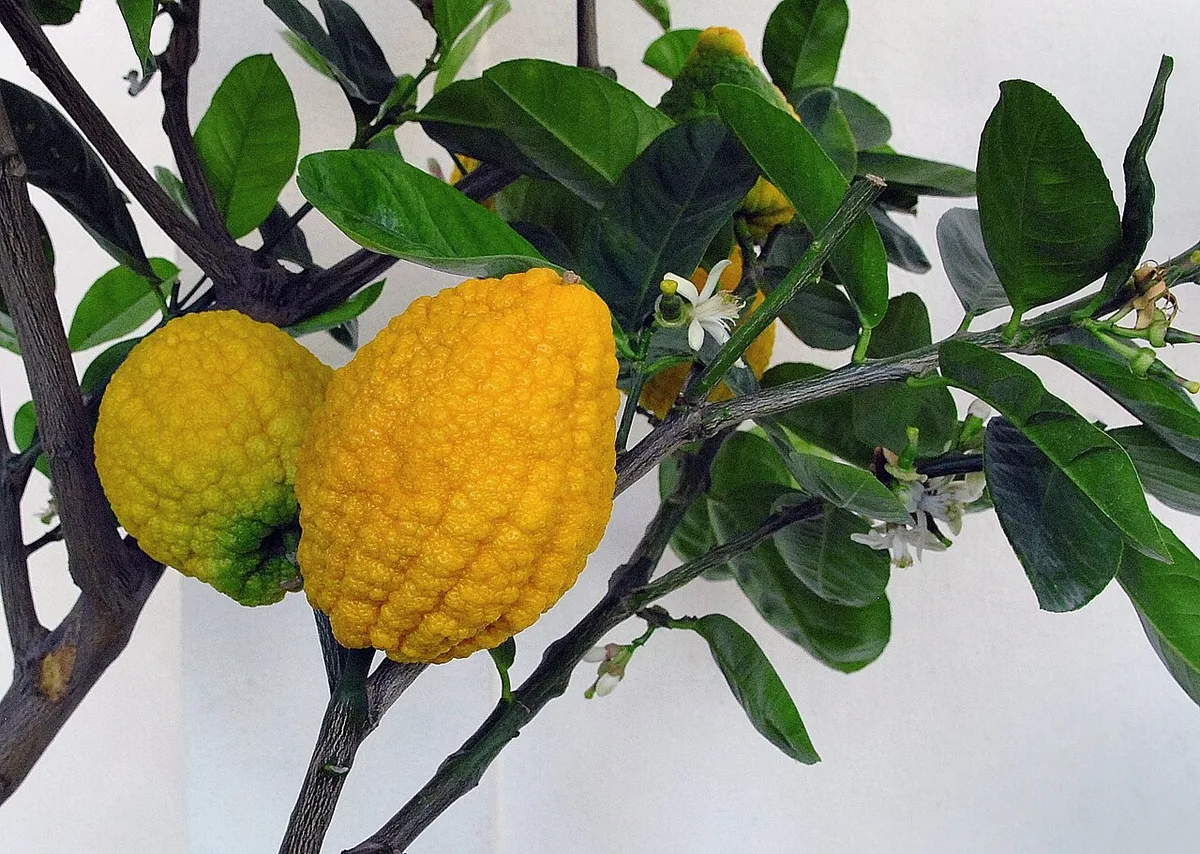
The defining liturgical rite centers on the Arba'at HaMinim (Four Species): the unbranched frond of the date palm (lulav), three fragrant boughs of myrtle (hadassim), two river willow twigs (aravot), and the exquisite citrus fruit etrog (Citrus medica). Bound together and waved in the six directions of the physical cosmos during morning Hallel prayers, the species allegorically unite diverse members of the human community while invoking divine stewardship over the earth's winter rains.























































